

Overview
Embark on a remarkable winter adventure with Jackson Hole Wildlife Safaris, exploring the iconic Grand Teton National Park and the renowned National Elk Refuge. This immersive wildlife tour is designed for nature enthusiasts, photographers, and anyone eager to experience the stunning landscapes and diverse animal life of the Jackson Hole area during the winter months.
Highlights
- Explore Grand Teton National Park & National Elk Refuge
- Photography Opportunities at Scenic Viewpoints & Wildlife Hotspots
- Guided Winter Wildlife Viewing & Dramatic Snow-Covered Landscapes
Our day will begin with a light breakfast in our safari vehicle as we head into Grand Teton National Park in search of abundant wintering wildlife. Waterways such as Flat Creek, the Gros Ventre River and Snake River offer animals such as trumpeter swans, moose, muskrats, coyotes and eagles a perfect winter habitat. In this valley surrounded by impressive mountain ranges, thousands of ungulates such as mule deer, elk, moose, bighorn sheep, and bison migrate downhill into open sage fields where food sources are more accessible and snow depths are reduced. Winter is a challenging season for these animals, and as a result their predators follow closely. We frequently encounter coyotes, foxes, bald and golden eagles, and if lucky, wolves taking advantage of prime hunting opportunities. Our guides follow wildlife movements closely and have great success in observing winter feeding, predation, canine mating behaviors, and many more magic moments for you.
This seasonal concentration of megafauna makes winter one of the best times of year to observe wildlife behavior and interactions in Jackson Hole. Throughout the day, we will explore key wildlife corridors and scenic viewpoints, taking time for photography, education, and quiet observation. Though some roads in the Jackson Hole Valley do close during the winter, we are able to navigate Grand Teton National Park and the National Elk Refuge in areas that remain open, and with great opportunity for wildlife both close and from a distance.
Grand Teton National Park is comprised of the striking Teton Mountains, the expansive valley, the Gros Ventre mountains to the south, and amazing wintering grounds for our wildlife. The National Elk Refuge is a remarkable conservation success story, born from the vision of local residents seeking to preserve critical winter range for wildlife. From the valley floor we may spot bighorn sheep navigating the cliffs of Miller Butte, coyotes hunting voles beneath the snow, red-tailed hawks riding winter winds, and wolves moving across the landscape in search of elk herds—all unfolding just beyond the edge of the town of Jackson.
Our professional wildlife guides customize each tour to the interests and pace of our guests, whether that means maximizing wildlife viewing, focusing on photography, or learning more about the ecology and history of the region. They strive to create a comfortable, engaging, and memorable experience immersed in one of North America’s most iconic winter landscapes.
What's Included
-
Hotel pickup
-
Professional naturalist guide
-
Small group safari: 8 guests per vehicle, maximum
-
Light breakfast
-
Assorted snack basket
-
Lunch at a local restaurant
-
Hot and cold beverages (non-alcoholic)
-
Use of UHD binoculars and spotting scopes
-
Mobile discovery lab (tactile field kit for exploration)
-
Short hike (optional)
-
Guide gratuities
-
National Park entrance fees
-
Child safety seat (for children under 8)
Private Safari
This is a private safari.
Tour Information
What time is my hotel pickup?
All guests are picked up and returned to their place of lodging. We pick up at hotels and condos in Jackson and Teton Village. Your exact pick up time will be determined by your hotel location and the season. Please make note of your pickup time, and save it for your reference.
Please give your guide an additional 5-10 minutes before and after the scheduled time to allow for other pickups or traffic conditions. Changes to trip timing may be made to accommodate daylight and/or optimum wildlife viewing.
Approximate pickup times for Jackson Hole include:
November 1 – April 30
- 7:00 AM – Teton Village locations
- 7:15 AM – Wilson, Aspens, Amangani and Spring Creek locations
- 7:30 AM – Town of Jackson locations
Private safari guests staying in Teton Village are picked up at 7:00 AM and private safari guests staying in Wilson, Aspens, Amangani, Spring Creek, and the town of Jackson are picked up at 7:30 AM.
What is the itinerary?
Your exact route and itinerary will be determined by your interests, current wildlife sightings, and current weather and road conditions. Our guides are all highly experienced, with thousands of hours in the field, and will expertly tailor your safari to you and your group.


Thank you to Jackson Hole Wildlife Safaris for a great outing. We booked online with no trouble at all. Due to our location, they were able to pick us up directly at our condo! Communication throughout was fantastic. We saw every animal we desired and a beautiful sunrise. They provided snack, binoculars, and numerous stops/opportunities. This was a highlight of our trip. Thank you to our guide. Highly recommend if this is of interest to you.
Guides and Staff
Our Team
Local, experienced, and passionate guides and photographers.












Safari Tour Gallery


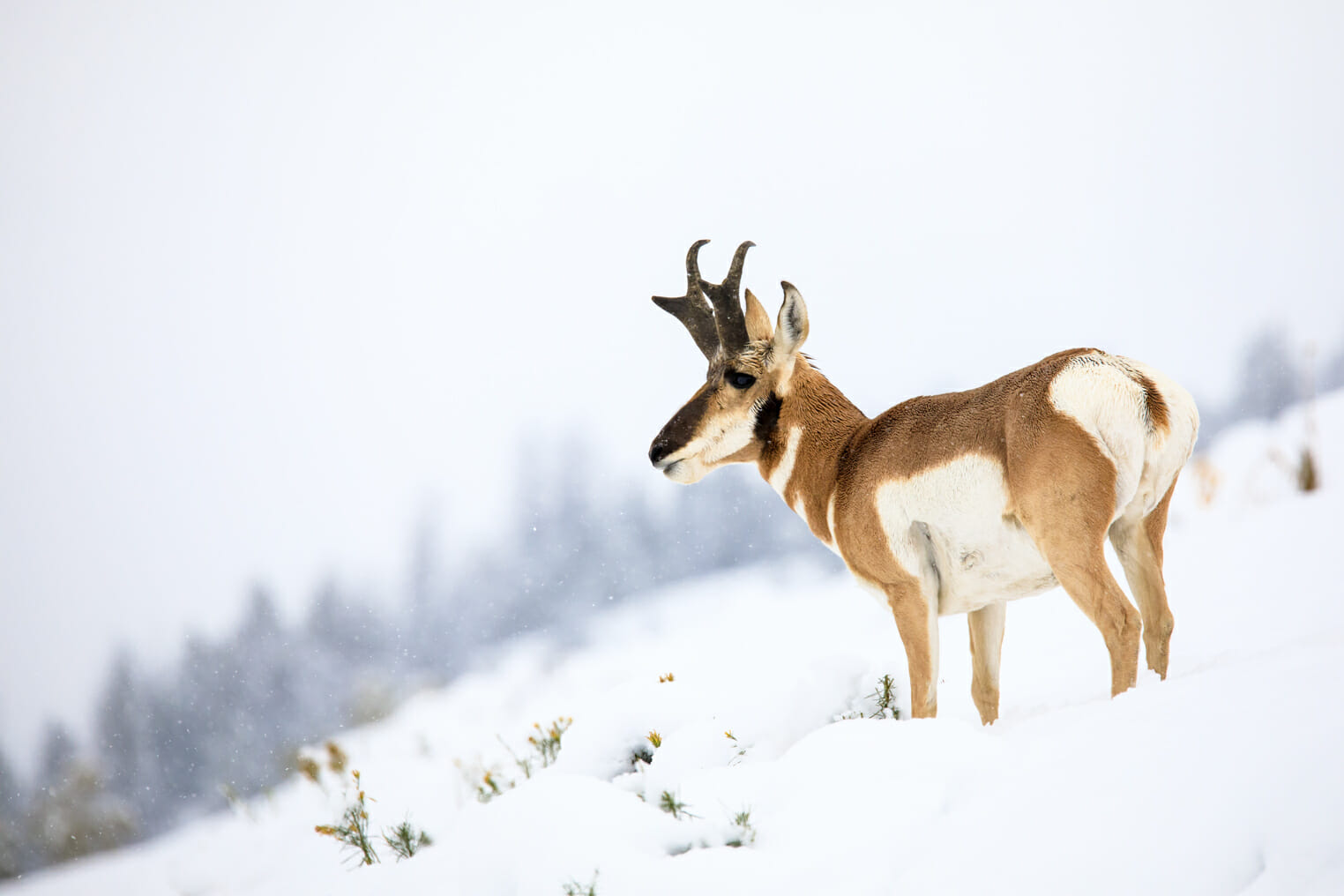


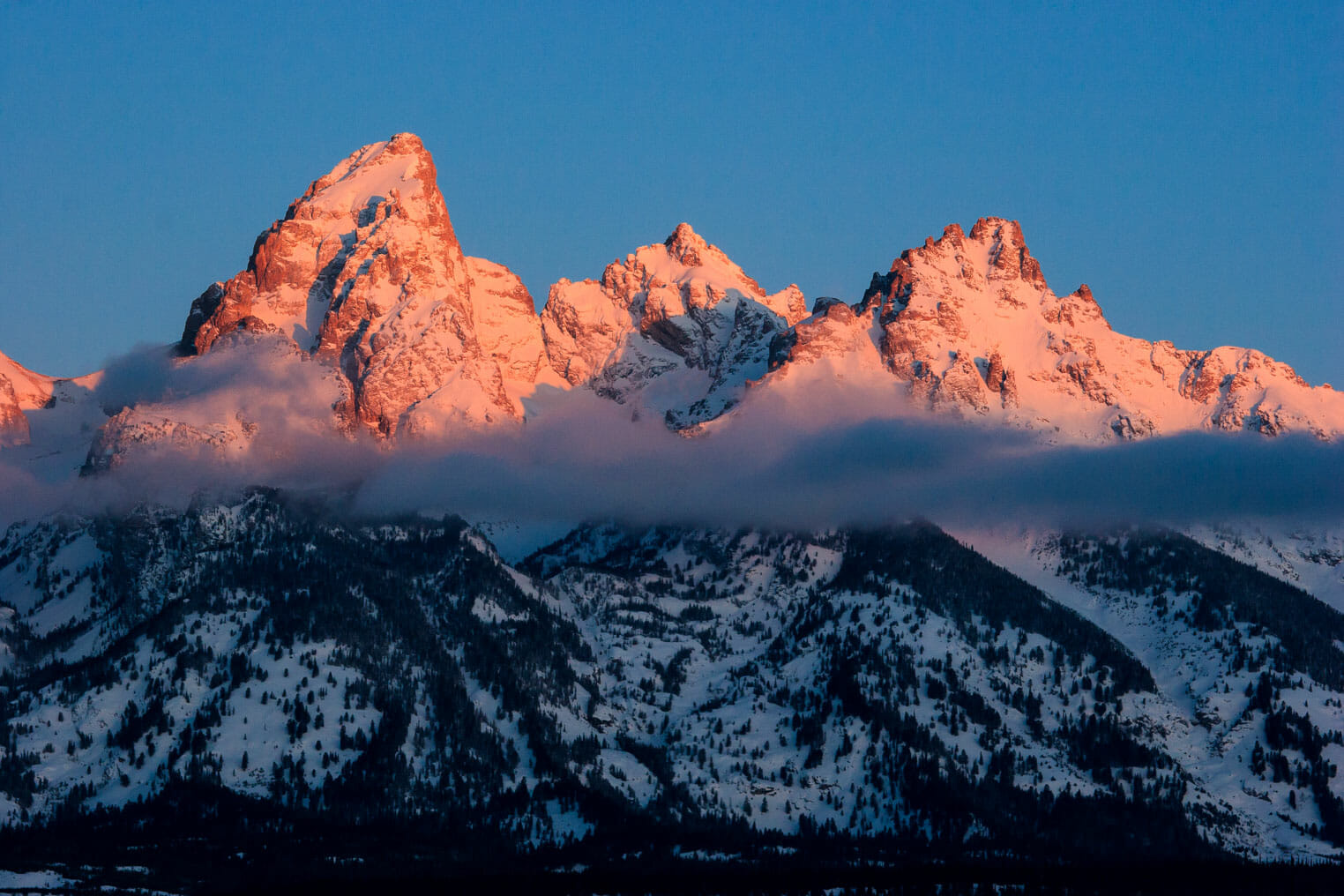


All photography has been shot by our talented tour guides.
FAQs
What species can I expect to see on the Grand Teton Winter Wildlife Tour?
On our Grand Teton Winter Wildlife Tour, guests regularly observe elk, moose, bison, bighorn sheep, trumpeter swans, coyotes, foxes, and bald eagles in the valley-floor habitats. In some winters, wolves and other predators may also be seen as they hunt or move through lower elevations. Sightings vary daily based on snow cover, forage availability, and animal movement patterns.
Is Grand Teton National Park open for wildlife tours in winter?
Yes. The main highway through Grand Teton National Park stays open throughout winter, allowing guided wildlife tours to access prime viewing areas. Some side roads and facilities may close due to snow, and the interior park road is closed, but professional guides tailor routes based on current conditions and wildlife activity to ensure safe, enjoyable experiences.
How cold does it get during a Jackson Hole winter wildlife tour?
Winter temperatures in the Jackson Hole valley typically range from below-freezing overnight lows to daytime highs between the teens and 30s Fahrenheit. Weather can shift quickly, so tours provide heated vehicles and warm beverage stops. Dressing in layers and wearing insulated, water-resistant outerwear enhances comfort throughout the tour.
What should I wear and bring on a winter wildlife safari?
Dress in warm layers (base, insulating, and waterproof outer layers), insulated boots with good traction, warm gloves, a winter hat, and sunglasses. Even though vehicles are heated, stepping outside for photos or viewing opportunities means that staying warm matters. Guides carry snacks and warm drinks for guests, but a reusable water bottle, and extra hand warmers can improve your own comfort. Appropriate clothing enhances your ability to observe and photograph wildlife safely.
Why should I book a guided winter wildlife tour instead of exploring on my own?
Our expert naturalist guides know seasonal movement patterns, habitat preferences, and optimal viewing locations, increasing your chances of meaningful wildlife encounters. Guides also provide premium optics, interpret animal behavior, manage winter driving conditions safely, and deliver educational insights that enhance your understanding of the Greater Yellowstone Ecosystem. The guide team at Jackson Hole Wildlife Safaris are well-known for their professionalism and expertise in the field.
What time of day offers the best wildlife viewing opportunities?
Wildlife in winter is often most active during the gentler light of early morning and late afternoon. These lower-angle lighting conditions also benefit photo opportunities, bringing out contours and contrast in snowy landscapes. However, activity can occur throughout the day depending on weather, herd movement, and foraging behavior, so guided tours adjust routes for the best observational opportunities.
Vehicles & Optics
Our Vehicles & Optics
At Jackson Hole Wildlife Safaris we use top-of-the-line vehicles and optics designed to enhance your wildlife safari experience while ensuring comfort and safety. These rugged and comfortable vehicles feature expansive windows, giving you unobstructed views of the incredible wildlife and stunning landscapes of Jackson Hole. We utilize high-quality, durable optics that offer sharp, clear images, even at long distances, making it easier for guests to spot elusive animals and enjoy close-up views of birds, mammals, and other wildlife.
Our Vehicles
We use small passenger vans and SUVs for small group sizes to accommodate a personalized experience. With high-clearance capabilities, the vehicles can easily navigate any terrain we encounter, ensuring a smooth and stable ride through the area’s remote spots. Spacious seating, climate control, and knowledgeable guides ensure a comfortable, immersive experience, allowing you to connect with nature while minimizing your impact on this beautiful, pristine environment.
Our Optics
Jackson Hole Wildlife Safaris provides top-tier binoculars and spotting scopes for their tours to ensure guests have the best possible viewing experience of wildlife in the stunning landscapes of the region. Our Athlon binoculars are lightweight and easy to handle, perfect for all ages and experience levels. The Vortex spotting scopes, equipped with powerful magnification, allow for exceptional detail when observing wildlife from afar. These professional-grade tools enhance the overall safari experience, giving guests a front-row seat to the beauty of Jackson Hole’s natural world.
Do your vehicles have roof hatches to use for wildlife viewing?
Do you use open-air safari vehicles?
Do the spotting scopes take photos?
How many pairs of binoculars do you provide?


Further Reading
Winter Warriors: Elk
December 02, 2025
Winter is a season of scarcity, and elk respond by adjusting their behavior to preserve as much energy as possible. Elk reduce unnecessary movement, limit long distance travel, and choose winter ranges where shelter and food are within easy reach.
During periods of extreme cold or heavy snowfall, elk may rest for long stretches in protected areas, conserving body heat and avoiding energy loss. They often use well established trails that require less effort to navigate compared to breaking fresh paths through deep snow…
Grand Teton Wildlife Tours: How to Experience the Best of Nature in Jackson Hole
December 16, 2025
Grand Teton National Park is a sanctuary of dramatic alpine peaks, winding rivers, and abundant wildlife. Situated just outside Jackson Hole, the park is one of the premier wildlife viewing destinations in the United States. Guided Grand Teton wildlife tours offer an unmatched opportunity to explore this remarkable ecosystem with experienced naturalists who know where to look, and when…


