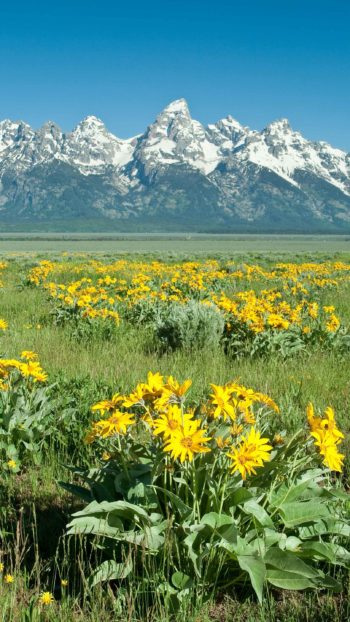
Jackson Hole is one of the most wildlife-rich destinations in North America. Located at the heart of the Greater Yellowstone Ecosystem, the region supports an extraordinary diversity of animals living much as they have for centuries. From iconic megafauna like moose and bison to elusive predators such as wolves and bears, wildlife in Jackson Hole is not only abundant, but deeply woven into the landscape. For visitors seeking meaningful encounters with wild animals, few places compare.


Why Jackson Hole Is One of the Best Places for Wildlife Viewing
Jackson Hole’s exceptional wildlife viewing opportunities stem from its vast protected lands and intact ecological processes. Surrounded by Grand Teton National Park, Yellowstone National Park, and millions of acres of national forest, the valley provides critical habitat and migration corridors for wildlife. Predators and prey coexist here in a rare balance, creating dynamic ecosystems where animal behavior can be observed naturally throughout the year.

Mammals Commonly Seen in Jackson Hole
Large Mammals
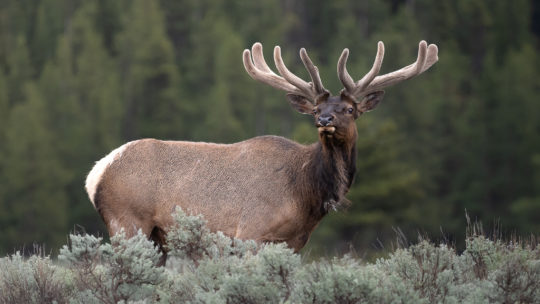
Some of the most recognizable animals in Jackson Hole are its large herbivores. Moose are frequently seen browsing in wetlands and willow flats, especially in summer. Elk migrate seasonally through the valley, while bison and pronghorn roam open grasslands and sagebrush areas. These species form the foundation of the region’s wildlife community.
Predators
Jackson Hole is also home to apex predators that play a crucial role in ecosystem health. Wolves travel in packs across open valleys, while grizzly and black bears forage for food according to seasonal availability. Coyotes are commonly seen year-round, adapting easily to changing conditions. Observing these predators offers insight into Yellowstone’s ongoing conservation success.


Birdlife and Smaller Wildlife in Jackson Hole
Beyond large mammals, Jackson Hole supports a rich variety of birdlife and smaller animals. Bald eagles, trumpeter swans, sandhill cranes, and numerous raptors are commonly observed, particularly near rivers and wetlands. Foxes, marmots, beavers, and river otters add to the diversity, making wildlife viewing rewarding even when larger animals are less visible.

Best Places to See Wildlife in Jackson Hole
Grand Teton National Park
Grand Teton National Park offers some of the best wildlife viewing in the region, with open valleys, river corridors, and mountain foothills that attract animals throughout the year.
National Elk Refuge
The National Elk Refuge plays a vital role in supporting elk populations, especially during winter months, and provides excellent opportunities for observing large herds.
Bridger-Teton National Forest
Surrounding forests and backcountry areas provide additional habitat for bears, wolves, and other wildlife, often away from busy roadways.

Best Time of Year to See Wildlife in Jackson Hole
Winter Wildlife
Winter concentrates wildlife at lower elevations, making animals such as elk, bison, and wolves easier to spot against snowy landscapes.
Spring and Summer Wildlife
Spring and summer bring increased activity as animals raise young and feed across open habitats. These seasons offer the widest variety of species.
Fall Wildlife
Fall features dramatic elk behavior during the rut and increased animal movement as species prepare for winter.

Why Guided Wildlife Tours Offer the Best Experience
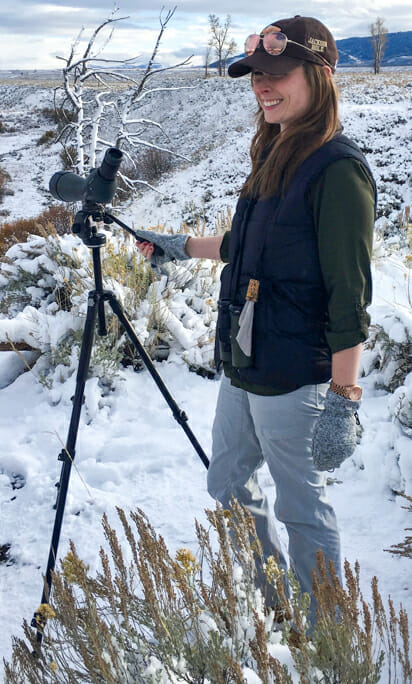
While wildlife can be seen independently, guided wildlife tours dramatically enhance the experience. Professional guides understand animal behavior, seasonal movement, and ethical viewing practices. With high-powered optics and expert interpretation, guided tours increase sightings while helping guests understand the ecological stories behind each encounter.


Ethical Wildlife Viewing in Jackson Hole
Responsible wildlife viewing is essential to protecting Jackson Hole’s animals. Ethical tours maintain safe distances, avoid altering animal behavior, and follow all park regulations. By prioritizing education and respect, visitors help ensure wildlife remains wild for future generations.
FAQs
What wildlife can you see in Jackson Hole?
Common wildlife includes moose, elk, bison, bears, wolves, pronghorn, coyotes, and a wide variety of birds.
Where is the best place to see wildlife in Jackson Hole?
Grand Teton National Park, the National Elk Refuge, and surrounding national forests offer the best wildlife viewing opportunities.
What is the best time to see wildlife in Jackson Hole?
Wildlife can be seen year-round, but spring, fall, and early morning or evening hours often provide the best visibility.
Do I need a guide to see wildlife in Jackson Hole?
A guide is not required, but guided wildlife tours greatly increase sightings and provide expert interpretation.
How can visitors view wildlife responsibly in Jackson Hole?
Visitors should keep safe distances, follow park rules, use optics instead of approaching animals, and respect natural behavior.
Wildlife Safari
Keep Exploring