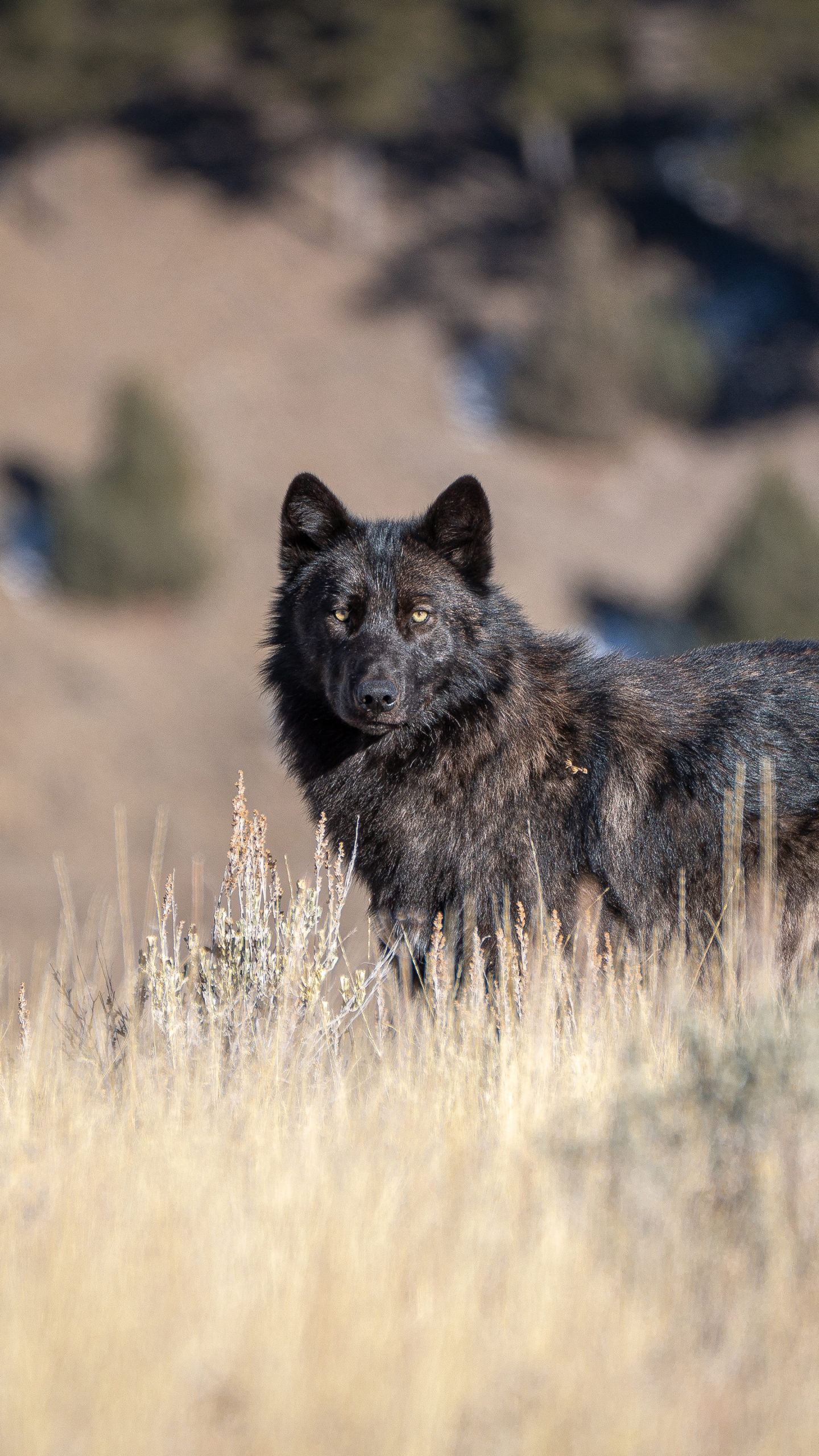
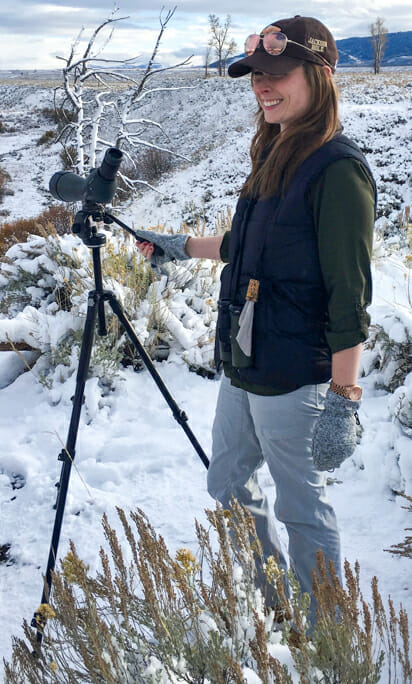
Wildlife expeditions in Jackson Hole offer one of the most immersive ways to experience the Greater Yellowstone Ecosystem. Surrounded by protected lands and connected wildlife corridors, the region supports a remarkable diversity of species including moose, elk, bison, bears, wolves, and raptors.
Unlike casual sightseeing, wildlife expeditions focus on tracking animal movement, understanding habitat, and observing behavior in real time. With expert naturalist guides, these experiences provide a deeper connection to the landscape and the ecological processes that shape it.
For visitors seeking meaningful encounters rather than chance sightings, wildlife expeditions in Jackson Hole provide a structured and informed approach to exploring one of North America’s most intact ecosystems.


What Are Wildlife Expeditions in Jackson Hole
Wildlife expeditions are guided experiences designed to maximize time in productive habitats while interpreting the ecological relationships that define the region. These expeditions differ from standard tours by focusing on behavior, movement patterns, and environmental conditions.
Naturalist Led Wildlife Safaris
Naturalist led safaris form the core of our wildlife expeditions. Guides monitor recent sightings, seasonal patterns, and habitat conditions to determine where wildlife is most likely to be active.
Rather than following a fixed route, these expeditions adapt throughout the day. This flexibility allows for extended time in areas where wildlife activity is occurring and increases the likelihood of observing animals in meaningful ways.
Seasonal Wildlife Expeditions
Wildlife expeditions in Jackson Hole vary significantly by season. Spring expeditions focus on emerging wildlife and increased predator activity. Summer provides access to a wide range of habitats and species. Fall emphasizes elk rut behavior and seasonal transitions. Winter expeditions highlight concentrated ungulate populations and increased predator visibility.
Each season offers a distinct experience shaped by environmental conditions and wildlife movement.
Private and Custom Expeditions
Private wildlife expeditions allow guests to tailor their experience around specific interests such as photography, species tracking, or extended observation time. This format provides flexibility in pacing and location, allowing guides to respond to changing conditions throughout the day.
For visitors with focused goals, private expeditions often provide the highest level of engagement and success.

What Wildlife You Can Experience
Jackson Hole’s location near Grand Teton National Park places it within one of the most active wildlife regions in North America.
Moose
Moose are one of the most sought-after species on wildlife expeditions. They inhabit wetlands, river corridors, and willow flats where food sources are abundant. Observing moose often requires patience and knowledge of their preferred habitat.
Guides increase the likelihood of sightings by focusing on areas where moose are known to feed and rest.
Elk and Bison
Elk and bison are widely distributed across the valley and provide consistent viewing opportunities. Elk behavior varies throughout the year, with winter migrations and fall rut activity offering particularly dynamic viewing.
Bison move through open terrain and are often seen grazing in groups. Their presence reflects the health and stability of the ecosystem.
Bears and Predators
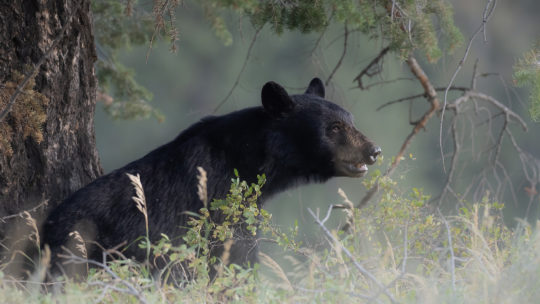
Black bears inhabit forested slopes and transitional habitats, especially during feeding periods in spring and late summer. Coyotes are frequently seen hunting in open areas and adapting to changing conditions.
Grizzly bears are present within the broader ecosystem and may occasionally be observed depending on season and location. Predator sightings often depend on understanding movement patterns and prey availability.
Raptors and Birdlife
Birdlife adds another dimension to wildlife expeditions. Bald eagles and golden eagles are commonly observed along river corridors, while hawks and owls occupy a range of habitats throughout the valley.
Raptors are often active during the same periods as mammals, making them an integral part of the overall wildlife experience.


Where Wildlife Expeditions Take Place
Wildlife expeditions in Jackson Hole take place across a range of habitats that support different species and ecological processes.
Grand Teton National Park provides access to wetlands, forests, and open valleys where wildlife activity is consistently high. The Snake River corridor supports moose, raptors, and other species that rely on water sources. Grand Teton Half Day and Full Day Safaris run year-round to explore these spaces.
The National Elk Refuge becomes a focal point during winter months, when elk gather in large numbers and predators follow. Grand Teton Winter Safaris and Best of Jackson Hole tours venture into the Elk Refuge during this time.
Yellowstone National Park tours take you through a wide variety of these habitats throughout the day. Each location offers different viewing opportunities depending on season and time of day.

Best Time of Year for Wildlife Expeditions Jackson Hole
Wildlife expeditions are influenced by seasonal patterns that affect animal behavior and visibility.
- Spring
- Wildlife becomes more active as snow melts
- Bears emerge and begin feeding
- Newborn animals appear across multiple species
- Summer
- High biodiversity across habitats
- Wildlife spreads across a wider range
- Longer daylight allows extended exploration
- Fall
- Elk rut creates dynamic behavior
- Predators increase activity as prey becomes more vulnerable
- Cooler temperatures improve daytime movement
- Winter
- Wildlife concentrates at lower elevations
- Snow improves visibility of animals
- Quieter conditions enhance the experience
Understanding these seasonal shifts helps guides position guests in areas with the highest potential for sightings.

How to Prepare for a Wildlife Expedition
Preparation enhances both comfort and success during wildlife expeditions.
- Dress in layers to adapt to changing weather conditions.
- Bring a camera with a telephoto lens for wildlife photography.
- Wear comfortable and sturdy footwear.
- Remain patient and attentive during sightings.
- Book in advance during peak travel seasons.
Early departures are often essential, as many animals are most active during cooler parts of the day.

Why Choose a Guided Wildlife Expedition
Guided wildlife expeditions provide access to knowledge and experience that significantly improves the quality of the outing. Naturalist guides understand animal behavior, habitat preferences, and seasonal movement, allowing them to make informed decisions throughout the day.
They also ensure that wildlife is viewed safely and ethically, maintaining appropriate distances and minimizing disturbance. This approach protects both the animals and the integrity of the experience.
Small group sizes allow for a more focused and immersive environment, while premium optics enhance visibility without intrusion. A guided wildlife expedition offers more than sightings. It provides a deeper understanding of the ecosystem and the forces that sustain it.
FAQs
What are wildlife expeditions in Jackson Hole?
Wildlife expeditions in Jackson Hole are guided experiences focused on observing animals in natural habitats while learning about behavior, ecology, and seasonal movement patterns.
What animals can you see on wildlife expeditions in Jackson Hole?
Guests commonly see moose, elk, bison, black bears, coyotes, bald eagles, and other raptors depending on season and location.
When is the best time for wildlife expeditions in Jackson Hole?
Spring and fall often provide the most active wildlife behavior, while summer offers high diversity and winter provides concentrated animal activity.
Are wildlife expeditions in Jackson Hole worth it?
Yes. Guided expeditions increase sighting success, provide expert interpretation, and create a more meaningful and educational experience.
Should I book a private wildlife expedition?
Private expeditions allow customized itineraries, flexible pacing, and extended observation time, making them ideal for photography and specialized interests.
Wildlife Safari
Keep Exploring