Jackson Hole wildlife in the fall offers one of the most dynamic and rewarding viewing experiences in the Greater Yellowstone Ecosystem. Located near Grand Teton National Park, the valley becomes especially active as animals prepare for winter and seasonal transitions reshape the landscape.
As temperatures cool and vegetation changes, wildlife behavior becomes more visible and more intense. Elk enter the rut, moose remain active in wetland habitats, and predators increase movement in response to shifting prey patterns. Combined with fewer visitors and golden fall landscapes, this creates ideal conditions for observing wildlife in natural settings.
For visitors focused on wildlife, fall stands out as one of the most compelling times to explore Jackson Hole.


Why Fall Is the Best Time for Wildlife Viewing
Increased Animal Activity
Fall triggers a period of heightened activity across multiple species. Animals increase feeding and movement to prepare for winter, which makes them more visible throughout the day.
This seasonal shift creates more frequent wildlife encounters and provides opportunities to observe behaviors that are not as common during other times of the year.
Better Visibility Across the Landscape
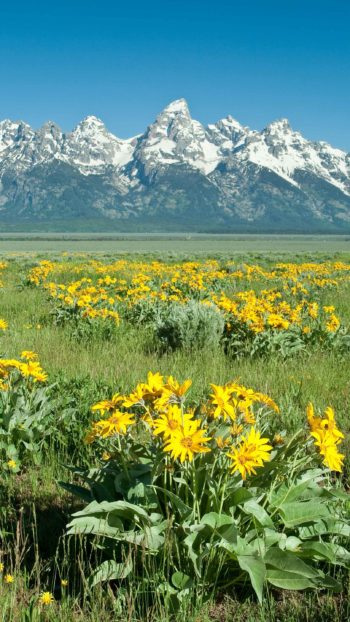
As vegetation begins to thin and grasses turn from green to gold, visibility improves across open areas. This makes it easier to spot animals at greater distances, especially in sagebrush flats and valley floors.
The combination of open terrain and active wildlife enhances the overall viewing experience.
Fewer Crowds and Quieter Conditions
With the end of the summer season, visitor numbers decrease significantly. This creates a quieter environment that benefits both wildlife and visitors.
Reduced traffic and noise allow animals to move more naturally, while visitors can enjoy a more relaxed and focused experience.

What Wildlife You Can See in the Fall
Elk Rut Behavior
The elk rut is one of the most dramatic wildlife events in Jackson Hole. During this period, bull elk compete for dominance through vocalizations and physical displays.
- Bugling calls carry across the valley
- Bulls gather and defend groups of females
- Increased movement in open areas
This behavior is highly visible and creates some of the most memorable wildlife encounters of the season.
Moose in Wetlands and River Corridors
Moose remain one of the most sought-after species in Jackson Hole. In the fall, they are often found in wetlands, river corridors, and willow flats where food sources remain abundant.
Their calm behavior and preference for open feeding areas make them easier to observe during early morning and evening hours.
Bison in Open Valleys
Bison move through sagebrush flats and open valleys, often grazing or traveling in small groups. Their presence adds to the diversity of wildlife viewing opportunities and reflects the natural movement of large herbivores across the landscape.
Bears and Other Predators
Bears are bulking up for winter, pushing themselves to feed more which makes them more visible. Coyotes are commonly seen in the fall, hunting small mammals in open terrain. Their activity increases as prey becomes more available and environmental conditions shift.
Foxes and other smaller predators are also present, though they are more elusive and require patience to observe.
Raptors and Birdlife
Birdlife adds another dimension to fall wildlife viewing. Raptors such as bald eagles and hawks are frequently seen along rivers and open landscapes.
These species often take advantage of increased prey activity, making them more visible during the fall season.


Best Places to See Fall Wildlife in Jackson Hole
Grand Teton National Park
Grand Teton National Park offers some of the best wildlife viewing opportunities in the region. The combination of wetlands, forests, and open valleys supports a wide range of species.
Moose, elk, bears, and bison are commonly seen throughout the park, particularly during early morning hours.
Snake River Corridor
The Snake River corridor provides critical habitat for wildlife and attracts animals seeking water and food sources. This area is especially productive for moose and birdlife.
The river also creates scenic viewing opportunities that enhance the overall experience.
Sagebrush Flats and Open Valleys
Open sagebrush areas north of Jackson offer excellent visibility for spotting wildlife. These landscapes support bison, elk, and coyotes and allow for long-distance observation.
The openness of the terrain makes it easier to track movement and identify animal behavior.

When to Go for the Best Wildlife Viewing
Timing plays a key role in successful wildlife viewing during the fall.
- Early morning
- Animals are most active during cooler temperatures
- Ideal conditions for observing feeding and movement
- Late afternoon and evening
- Increased activity as temperatures drop
- Strong lighting for photography
- Midday
- Reduced activity for many species
- Best for scenic exploration and travel between locations
Planning your day around these timeframes improves the likelihood of meaningful wildlife encounters.


Tips for Viewing Jackson Hole Wildlife in the Fall
- Start early to align with peak wildlife activity.
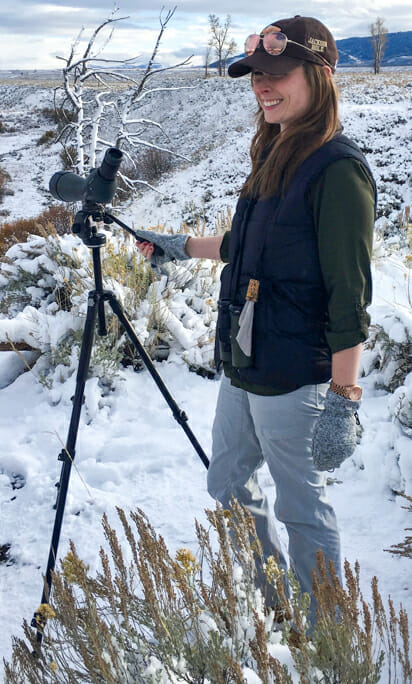
- Bring binoculars or a spotting scope for better visibility.
- Dress in layers to adapt to changing temperatures.
- Remain patient and allow time for wildlife to appear.
- Keep a safe distance and follow all wildlife viewing guidelines.
These practices help ensure both safety and a more rewarding experience.

Why Choose a Guided Wildlife Safari
Guided wildlife safaris provide a significant advantage during the fall season. With increased animal movement and changing conditions, knowing where to go and when to be there is critical.
Naturalist guides track wildlife activity daily and adjust routes based on current conditions. This increases the chances of successful sightings and allows guests to observe animals in active and natural states.
Guides also provide interpretation that connects individual sightings to broader ecological patterns, creating a more meaningful experience.
Plan Your Fall Wildlife Experience in Jackson Hole
Jackson Hole wildlife in the fall offers a unique opportunity to experience the region at its most active and visually striking. The combination of seasonal behavior, improved visibility, and quieter conditions creates ideal viewing opportunities.
No matter how much time you have in the area, there is a professionally guided tour for you that is designed to maximize wildlife sightings and provide in-depth naturalist interpretation. Whether you only have time for a half-day wildlife safari or want to experience a full day Grand Teton safari, you will see why Jackson Hole in the fall is such a special experience.
No matter if you are most interested in elk rut activity, moose viewing, or a general wildlife experience, planning ahead ensures that you can make the most of this exceptional season.
FAQs
What wildlife can you see in Jackson Hole in the fall?
Visitors can see elk during the rut, moose, bears, bison, coyotes, foxes, and a variety of bird species including eagles and hawks.
When is the best time to see wildlife in Jackson Hole in the fall?
Early morning and late afternoon provide the best conditions for wildlife viewing due to cooler temperatures and increased activity.
Is fall a good time for wildlife in Jackson Hole?
Yes. Fall is one of the most active seasons for wildlife, with increased movement and visible behavior across multiple species.
Where is the best place to see wildlife in Jackson Hole?
Grand Teton National Park, the Snake River corridor, and open sagebrush valleys are among the best locations.
Are guided wildlife tours worth it in the fall?
Yes. Guided tours increase the chances of sightings and provide expert interpretation of animal behavior and habitat.