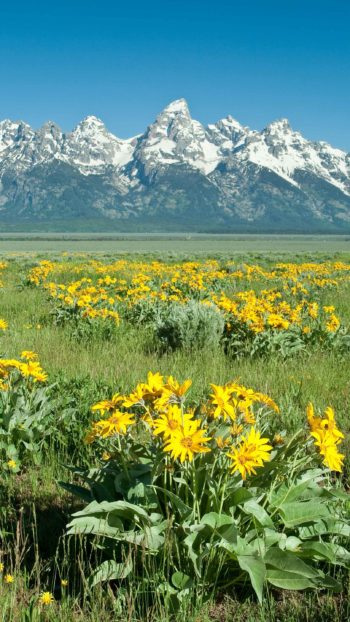
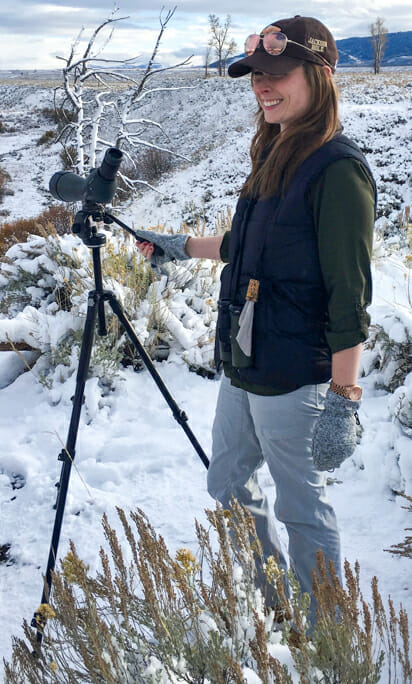
Grand Teton wildlife in the fall offers one of the most visually striking and active seasons in the Greater Yellowstone Ecosystem. Set against the dramatic backdrop of Grand Teton National Park, the landscape transforms as golden foliage spreads across the valley and wildlife activity increases ahead of winter.
As temperatures cool and daylight shortens, animals shift behavior in preparation for the colder months. Elk enter the rut, moose remain active in wetland habitats, and predators increase movement as prey becomes more vulnerable. Combined with fewer visitors and improved visibility across the landscape, fall creates ideal conditions for observing wildlife in natural environments.
For travelers focused on wildlife, autumn is widely considered one of the best times to explore Grand Teton National Park.


Why Fall Is One of the Best Times for Wildlife Viewing
Increased Wildlife Movement
Fall is a period of transition across the ecosystem. Animals increase feeding activity and movement to prepare for winter, resulting in more frequent sightings throughout the day.
This heightened activity makes it easier to observe wildlife behaviors such as foraging, traveling, and social interaction. For visitors, this translates into more dynamic and engaging wildlife encounters.
Improved Visibility Across the Landscape
As leaves fall and vegetation thins, visibility improves across the valley floor and sagebrush flats. Open terrain allows for long-distance viewing, which is especially useful when observing larger mammals.
The golden tones of fall vegetation also create contrast, making animals easier to spot against the landscape.
Quieter and More Relaxed Conditions
With the end of peak summer visitation, the park becomes noticeably quieter. Roads, viewpoints, and wildlife areas are less crowded, creating a more peaceful experience.
These quieter conditions also benefit wildlife, allowing animals to move more naturally and increasing the chances of meaningful encounters.

What Wildlife You Can See in the Fall
Elk Rut Activity
The elk rut is one of the most dramatic wildlife events in Grand Teton National Park. During this period, bull elk compete for dominance and breeding rights.
- Bugling calls echo across open valleys
- Bulls gather and defend groups of females
- Physical displays and movement increase
This behavior is highly visible and often occurs in open areas, making fall one of the best times to observe elk.
Moose in Wetland Habitats
Moose are one of the most iconic species in Grand Teton and are frequently found in wetlands, river corridors, and willow flats.
In the fall, moose remain active as they continue feeding in preparation for winter. Early morning and late evening provide the best opportunities to observe them.
Bison and Pronghorn
Bison move through open sagebrush landscapes, often grazing or traveling in small groups. Their presence is a constant across the valley and provides reliable viewing opportunities.
Pronghorn, one of the fastest land animals in North America, can also be seen in open terrain, especially in areas with clear visibility.
Coyotes and Other Predators
Coyotes are commonly seen during the fall, hunting small mammals in open areas. Their activity increases as prey becomes more available.
Other predators are present as well, though they are more elusive and require patience and experience to locate.
Raptors and Birdlife
Birdlife remains active throughout the fall, with raptors often seen along rivers and open landscapes.
- Bald eagles near water sources
- Hawks hunting in open fields
- Seasonal migration activity
These species add depth to wildlife viewing and reflect the overall health of the ecosystem.


Best Places to See Fall Wildlife in Grand Teton
Sagebrush Flats and Valley Floor
Open sagebrush areas provide some of the best visibility for spotting wildlife. These landscapes support elk, bison, and coyotes and allow for long-distance observation.
Snake River Corridor
The Snake River corridor attracts a wide range of wildlife due to its consistent water source and surrounding vegetation. Moose and birdlife are frequently seen in this area.
Willow Flats and Wetlands
Wetland areas are ideal habitats for moose and other species that rely on dense vegetation and water. These locations are especially productive during early morning hours.

When to Go for the Best Wildlife Viewing
Timing plays an important role in fall wildlife viewing.
- Early morning
- Peak activity for most species
- Cooler temperatures encourage movement
- Late afternoon and evening
- Increased wildlife activity
- Favorable lighting conditions
- Midday
- Reduced movement for many animals
- Better suited for travel and scenic stops
Planning around these times improves the chances of successful sightings.


Weather and Conditions in the Fall
Fall weather in Grand Teton can change quickly and varies throughout the day.
- Mornings are often cold with frost possible
- Daytime temperatures are typically mild
- Evenings cool rapidly after sunset
- Early snowfall is possible later in the season
Dressing in layers allows visitors to adapt to changing conditions and remain comfortable throughout the day.

Why Choose a Guided Wildlife Safari
Guided wildlife safaris provide a significant advantage during the fall season. With increased animal movement and changing conditions, knowing where to go and when to be there is essential.
Naturalist guides track wildlife activity daily and adjust routes to maximize viewing opportunities. They also provide interpretation that helps guests understand animal behavior and ecological relationships.
This combination of expertise and adaptability leads to more consistent and meaningful wildlife encounters. Choose from several tours to suit your itinerary, from half day safaris to full day safaris, and even specialized photography tours.


Plan Your Fall Wildlife Experience in Grand Teton
Grand Teton wildlife in the fall offers a unique combination of active animals, changing landscapes, and quieter conditions. The balance between visibility and activity creates ideal opportunities for observation and photography.
Jackson Hole Wildlife Safaris offers professionally guided tours designed to maximize wildlife sightings and provide in-depth naturalist interpretation throughout the day.
Whether you are interested in elk rut behavior, moose viewing, or a general wildlife experience, fall is one of the best times to explore Grand Teton National Park.
FAQs
What wildlife can you see in Grand Teton in the fall?
Visitors can see elk during the rut, moose, bison, pronghorn, coyotes, and a variety of bird species.
When is the best time to see wildlife in Grand Teton in the fall?
Early morning and late afternoon offer the best conditions due to increased animal activity.
Is fall a good time for wildlife in Grand Teton National Park?
Yes. Fall is one of the most active seasons for wildlife, with increased movement and visible behavior.
Where is the best place to see wildlife in Grand Teton?
Sagebrush flats, the Snake River corridor, and wetland areas are among the best locations.
Are guided wildlife tours worth it in the fall?
Yes. Guided tours increase the chances of sightings and provide expert interpretation of wildlife behavior.
Wildlife Safari
Keep Exploring