The bison rut in August is one of the most active and visually striking wildlife events in Yellowstone National Park. During this period, bull bison shift from relatively calm grazing behavior to a much more intense and competitive state as they seek to establish dominance and mating opportunities.
Across Yellowstone’s open valleys and grasslands, this seasonal change becomes highly visible. Large bulls move more frequently, interact more aggressively, and display behaviors that are rarely seen during other times of the year. For visitors, this creates a unique opportunity to observe wildlife in a dynamic and natural setting.
Whether you are embarking on a Yellowstone Wildlife Safari or a Best of Yellowstone tour, your chances of seeing very active bison are higher during this time of year than any other.


What Is the Bison Rut
Timing of the Rut
The bison rut typically occurs from late July through August, with peak activity often concentrated in early to mid August. During this time, mature bulls actively seek out females and compete with other males.
This relatively short seasonal window makes August one of the most important times to observe bison behavior in Yellowstone.

Why Behavior Changes
The rut is driven by reproductive instinct and hormones. Bulls compete for access to females, which leads to increased movement, interaction, and visible displays.
Instead of focusing solely on feeding, bison shift their energy toward establishing dominance. This change affects how they move, where they gather, and how they respond to other animals.
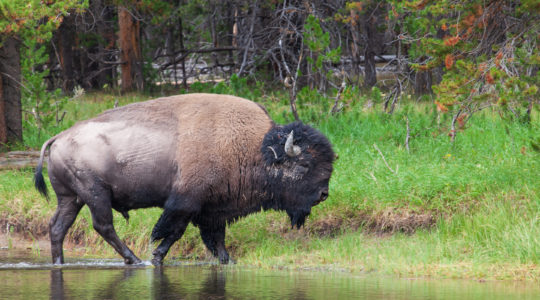

Bison Behavior During the Rut
Bull Competition
Male bison engage in direct competition with one another, often approaching rival bulls and testing strength.
- Bulls may walk parallel to each other before escalating behavior
- Head positioning and body posture signal intent
- Physical clashes can occur, though many encounters remain non-contact
These interactions are a key feature of the rut and can often be observed from a safe distance.
Vocalizations and Displays
Bison become more vocal during the rut, using deep grunts and calls to communicate dominance and attract females.
- Low, resonating vocalizations carry across open landscapes
- Dust kicking and ground pawing signal agitation
- Close following of females becomes more common
These displays provide clear visual and auditory indicators of rut activity.
Increased Movement
Bison move more frequently and over greater distances during the rut, often crossing roads and shifting between grazing areas.
- Bulls travel in search of receptive females
- Herd dynamics change as individuals interact
- Movement patterns become less predictable
This increased activity makes bison easier to observe but also requires awareness from visitors.

Where to See the Bison Rut
Open Valleys
Wide, open landscapes provide the best visibility for observing bison behavior.
- Large groups often gather in these areas
- Clear sightlines allow observation from a distance
- Movement and interaction are easier to track
River Corridors
Areas near water attract bison for both feeding and cooling, especially during warmer days.
- Bison may gather in or near water
- Increased activity during midday heat
- Opportunities to observe different behaviors
Roadside Viewing Areas
Many bison are visible from park roads, making them accessible for visitors.
- Frequent sightings along main routes
- Opportunities for safe viewing without hiking
- Requires careful attention to traffic and safety
IMPORTANT NOTE: Always keep an increased distance from bison during this time as they are more unpredictable than usual.


Why August Is the Best Time
- Peak rut activity creates more visible and dynamic behavior
- Bulls are actively competing and interacting
- Movement increases throughout the day
- Greater likelihood of observing unique behaviors
- Vocalizations and displays are more frequent
- Herd dynamics are more noticeable
- Consistent bison presence across key areas
- Large groups remain active in open landscapes
- Sightings are more reliable

Safety Tips for Viewing Bison
- Maintain a safe distance at all times, as bison can move quickly and unpredictably.
- Never approach or attempt to walk closer for photos.
- Stay in your vehicle when bison are near the road.
- Be aware of your surroundings, especially during high activity periods.
- Follow all park guidelines and respect wildlife space.
These precautions are especially important during the rut when behavior becomes more aggressive.


Why a Guided Wildlife Tour Is Recommended
During the rut, understanding behavior is just as important as spotting animals. Guided wildlife tours provide context that helps visitors interpret what they are seeing.
Naturalist guides track wildlife activity daily and position guests in areas where behavior is most active. They also explain interactions, helping guests recognize signs of competition and movement patterns.
This expertise increases both safety and the overall quality of the experience.
Plan Your Yellowstone Wildlife Experience
The bison rut in August offers one of the most engaging wildlife experiences in Yellowstone. The combination of increased activity, visible behavior, and open landscapes creates ideal viewing conditions.
Jackson Hole Wildlife Safaris offers guided tours designed to maximize wildlife sightings and provide expert interpretation throughout the day.
Planning ahead ensures the best opportunity to experience this seasonal event at its peak.
FAQs
When is the bison rut in Yellowstone?
The bison rut typically occurs from late July through August, with peak activity in early to mid August.
Where can you see the bison rut in Yellowstone?
Bison can be seen in open valleys, river areas, and along park roads throughout Yellowstone.
Are bison dangerous during the rut?
Yes. Bison can be more aggressive during the rut and should always be viewed from a safe distance.
Why do bison act differently in August?
August is mating season, which causes bulls to compete for dominance and increases movement and interaction.
Is a guided tour helpful for seeing the bison rut?
Yes. Guided tours improve the chances of seeing active behavior and provide expert insight into what is happening.
Wildlife Safari
Keep Exploring