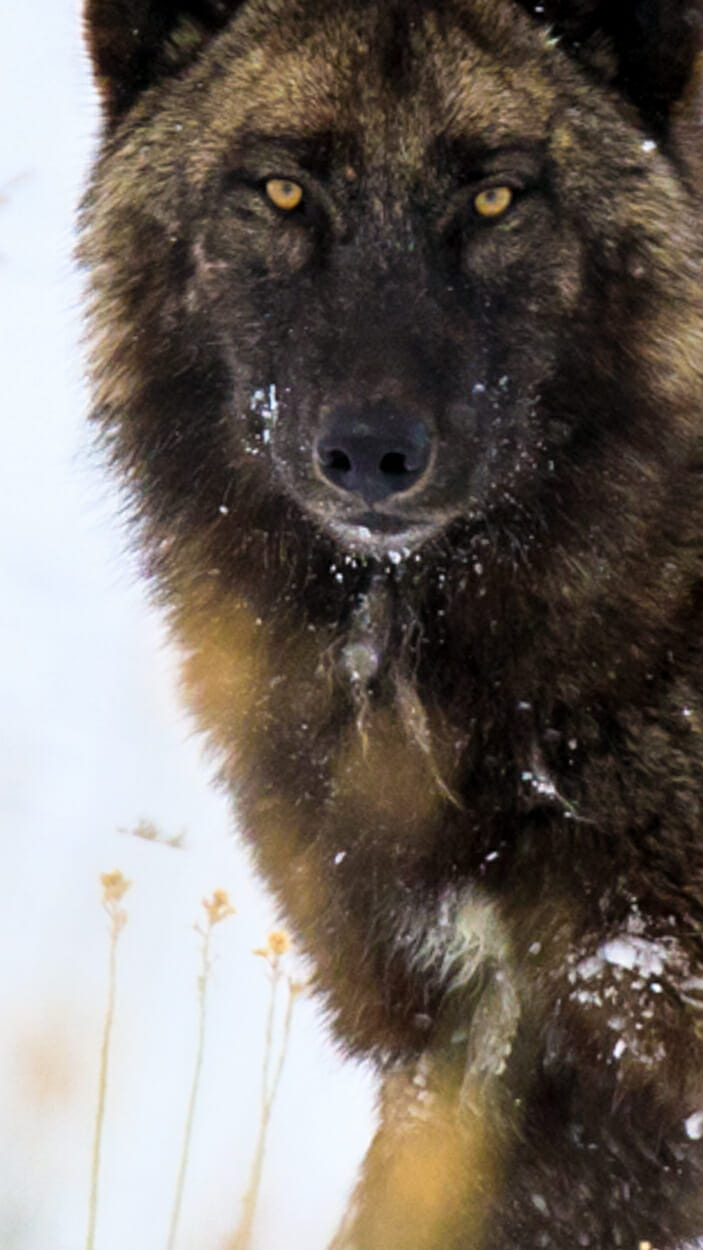
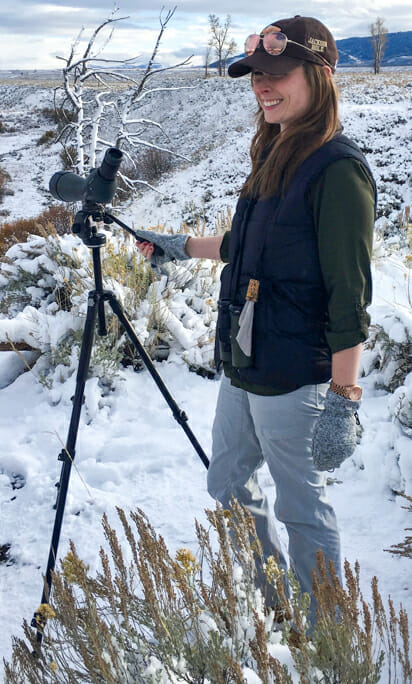
November is one of Jackson Hole’s best-kept secrets. As fall gives way to winter, the valley becomes quieter, the Teton Range begins to wear its snowy coat, and wildlife gathers in lower elevations in preparation for the cold months ahead. It is a season of dramatic scenery, incredible wildlife encounters, and outdoor adventures without the crowds of peak summer.
Whether you’re visiting for the first time or returning to experience the Tetons in a new season, November offers plenty of ways to explore Jackson Hole. From guided wildlife safaris and scenic drives to hiking, snowshoeing, and exploring downtown Jackson, there is something for every kind of traveler.
At Jackson Hole Wildlife Safaris, we believe this transitional season is an especially rewarding time to discover the Greater Yellowstone Ecosystem. Here are our favorite things to do in Jackson Hole in November, along with tips to help you make the most of your visit.


1. Take a Wildlife Safari in Grand Teton National Park
There is no better way to experience Jackson Hole in November than by getting out into the landscape to look for wildlife. As temperatures drop and snow accumulates at higher elevations, many animals move toward the valley floor, creating exciting opportunities to observe them in their natural habitat.
Grand Teton National Park is home to an extraordinary variety of wildlife. During a November safari, you may spot moose browsing along willow-lined waterways, elk gathering in open meadows, bison moving across the landscape, or bald eagles perched near the Snake River. Coyotes, foxes, mule deer, and other species may also make an appearance.
The surrounding mountains provide a spectacular backdrop, with fresh snow highlighting the rugged peaks and golden grasses adding color to the valley.
A guided safari with Jackson Hole Wildlife Safaris offers more than the chance to see animals. Our knowledgeable naturalist guides share insights into wildlife behavior, seasonal migrations, local ecology, and the delicate balance of the Greater Yellowstone Ecosystem. They also adjust each outing to current wildlife activity, weather, and road conditions.
Whether you choose a half-day safari, a full day safari, or even a 3-day multi day adventure, a wildlife safari is an unforgettable way to experience the season.
Explore our Grand Teton winter wildlife safaris to start planning your November adventure.

2. Visit the National Elk Refuge
November marks the beginning of winter in Jackson Hole, and the nearby National Elk Refuge is one of the region’s most important wildlife habitats.
Located just outside the town of Jackson, the refuge provides winter range for thousands of elk as well as habitat for other wildlife. As snow deepens in the surrounding mountains, elk gradually move into lower elevations like the refuge where food is more accessible.
The refuge is also a wonderful place to look for bald eagles, bison, mule deer, and other wildlife. Depending on the season and conditions, you may spot animals moving across the open landscape or resting against a backdrop of snow-covered mountains.
Keep in mind that November is a transition period, so elk numbers and wildlife activity can vary as animals move into their winter ranges.
For the best experience, bring binoculars, dress warmly, and give wildlife plenty of space. A guided safari can help you identify animals, understand their seasonal movements, and learn why the refuge plays such an important role in the local ecosystem.


3. Look for Bighorn Sheep
Wildlife enthusiasts should also keep an eye out for bighorn sheep in November.
As winter approaches, bighorn sheep may move toward lower-elevation habitat with accessible forage and favorable terrain. Areas around the National Elk Refuge and Miller Butte are known for opportunities to observe these remarkable animals.
November also coincides with the beginning of the bighorn sheep rut, the breeding season when rams compete for access to females. Watching these powerful animals navigate rocky slopes and interact with one another can be a highlight of a wildlife-focused trip.
Bighorn sheep are well adapted to rugged mountain environments, but their natural camouflage can make them surprisingly difficult to spot. Experienced wildlife guides know how to scan rocky hillsides and help guests identify animals without disturbing them.
Remember that wildlife sightings are never guaranteed. Patience, good optics, and a respectful viewing distance are essential for a successful wildlife experience.

4. Explore Grand Teton National Park
Grand Teton National Park is beautiful year-round, but November brings a distinctive atmosphere to the landscape.
The summer crowds have thinned, the first substantial snowfalls may cover the mountains, and the valley takes on a peaceful, almost otherworldly quality. Open meadows, winding rivers, evergreen forests, and towering peaks create a stunning setting for sightseeing and photography.
Some park roads, visitor facilities, and trails close or become inaccessible as winter conditions develop. However, accessible areas and major road corridors can still offer spectacular views and opportunities to look for wildlife.
Plan ahead by checking the National Park Service’s road conditions and seasonal closures before heading out.
If you want to see as much of the landscape as possible while learning about the park’s wildlife and history, consider joining a guided tour with Jackson Hole Wildlife Safaris. Our guides can help you make the most of the available daylight and choose routes based on current conditions.


5. Go Hiking with Hole Hiking Experience
If you prefer exploring on foot, November can still offer opportunities to enjoy Jackson Hole’s incredible scenery.
Hole Hiking Experience is a great option for travelers interested in guided outdoor experiences and learning more about the natural landscape. Depending on trail conditions, the weather, and the services available during your visit, a guided hike can be a rewarding way to experience the valley beyond the main roads.
Lower-elevation trails may remain accessible early in November, while higher routes can become snow-covered or icy. As the month progresses, conditions can change quickly, so it is important to choose an outing that matches your fitness level and the current environment.
A guided hike offers more than beautiful views. You can learn about local geology, native plants, wildlife habitat, and the natural history that makes the Jackson Hole region so special. Depending on the snow conditions, your hike may be a snowshoeing adventure!
Before booking, confirm which guided hikes are offered in November and whether snow or ice will affect the planned route.

6. Enjoy Wildlife and Landscape Photography
November is a rewarding month for photographers visiting Jackson Hole. Fresh snow, dramatic mountain light, and seasonal wildlife movements create opportunities for memorable images.
The contrast between snow-covered peaks, dark evergreen forests, and golden valley grasses can make even familiar viewpoints feel new. Wildlife also provides wonderful photographic subjects, from moose feeding near waterways to bison moving through open meadows.
Some photography opportunities to look for include:
- Moose along waterways: Watch for moose browsing on willows near wetlands and rivers.
- Elk in open country: Photograph elk against the dramatic Teton Range.
- Bighorn sheep on rocky slopes: Capture these sure-footed animals in their rugged habitat.
- Bison in winter scenery: Look for striking compositions that contrast dark coats with pale snow.
- Sunrise over the Tetons: Early light can bring beautiful color and texture to the mountains.
Wildlife photography takes patience, observation, and an understanding of animal behavior. A guided photography safari can help you find promising locations, use your time efficiently, and learn techniques for capturing wildlife responsibly.
Jackson Hole Wildlife Safaris offers guided wildlife and photography experiences designed to help guests appreciate the region through a photographer’s lens.


7. Explore Downtown Jackson
After a day outdoors, spend some time exploring the town of Jackson.
The historic Town Square, with its famous elk-antler arches, is a must-see for first-time visitors. The surrounding streets are home to art galleries, Western-inspired shops, outdoor outfitters, and locally owned businesses.
November often brings a quieter atmosphere than the height of summer, making it a lovely time to browse at your own pace, enjoy a warm drink, or settle in for a relaxed meal.
You can also explore local art and learn more about the region’s Western heritage. With the Tetons nearby and winter beginning to settle in, downtown Jackson offers a comfortable balance to a day of outdoor adventure.
Some businesses adjust their hours seasonally, so check in advance if you have a particular restaurant, shop, or attraction in mind.

Tips for Visiting Jackson Hole in November
A little preparation can make your November trip much more enjoyable.
- Dress in layers. Bring a warm insulated jacket, thermal layers, gloves, a hat, and waterproof footwear.
- Plan around daylight. Days are shorter in November, so schedule outdoor adventures with enough time to return before dark.
- Check road and trail conditions. Snow and ice can affect access to parks, roads, and hiking routes.
- Stay flexible. Weather changes quickly in the mountains, so have backup plans for outdoor activities.
- Bring binoculars. Wildlife may be some distance away, and binoculars can make a big difference.
- Respect wildlife. Never approach, feed, or surround wild animals. Follow local viewing guidelines and give animals plenty of room.
Book guided experiences ahead of time. November is quieter than peak summer, but availability varies by activity and date.
For up-to-date park information, visit the Grand Teton National Park website.


Is November a Good Time to Visit Jackson Hole?
Absolutely. November offers a quieter, more intimate way to experience Jackson Hole as the region transitions from fall to winter.
Although some summer activities are winding down, wildlife viewing becomes a major highlight. The Tetons provide a spectacular backdrop, outdoor adventures remain possible when conditions allow, and downtown Jackson offers plenty of opportunities to relax between excursions.
November is especially appealing for wildlife enthusiasts, photographers, hikers, and travelers who prefer a slower pace. The key is to plan around changing weather, check seasonal closures, and choose activities suited to the conditions.
If seeing wildlife is high on your list, a guided safari is one of the best ways to make the most of the season.
Plan Your November Adventure with Jackson Hole Wildlife Safaris
Ready to experience the wild beauty of Jackson Hole?
Jackson Hole Wildlife Safaris offers guided wildlife adventures in Grand Teton National Park and the surrounding valley, led by knowledgeable naturalist guides who understand the region’s animals, landscapes, and seasonal changes.
From moose and elk to bison, bighorn sheep, and bald eagles, November offers exciting opportunities to discover the wildlife that makes this region so special. Add in snow-dusted mountains, peaceful roads, and beautiful photography opportunities, and you have the ingredients for a memorable trip.
Whether you are visiting for a few days or planning a longer getaway, we would love to help you experience Jackson Hole in a new way.
FAQs
Is November a good time to visit Jackson Hole?
Yes! November is a great time to visit Jackson Hole if you enjoy wildlife, scenic mountain views, and a quieter atmosphere. As the region transitions from fall to winter, you may see snow-dusted peaks, elk moving toward lower elevations, and moose, bison, and bighorn sheep in their natural habitats. Although some seasonal attractions and park roads close, guided wildlife safaris, hiking opportunities, and activities in downtown Jackson can make for a memorable visit.
What wildlife can you see in Jackson Hole in November?
November offers opportunities to see a variety of wildlife, including elk, moose, bison, bighorn sheep, mule deer, bald eagles, coyotes, and foxes.Animals become more active in lower-elevation winter habitats as temperatures drop and snow accumulates in the mountains. For the best chance of spotting wildlife, consider joining a guided safari with Jackson Hole Wildlife Safaris, where experienced naturalist guides help you locate animals and learn about their seasonal behaviors.
Can you go hiking in Jackson Hole in November?
Yes, hiking is possible in November, but trail conditions depend on snowfall, temperatures, and elevation. Some lower-elevation trails may remain accessible, while higher trails can be snowy or icy. Hole Hiking Adventures is an option for visitors interested in guided outdoor exploration. Check trail conditions and confirm seasonal tour availability before booking, and bring appropriate winter clothing and footwear.
What should I pack for a November trip to Jackson Hole?
Pack warm layers to prepare for fluctuating temperatures and changing mountain weather. Essential items include an insulated winter jacket, thermal base layers, gloves, a warm hat, waterproof hiking boots, and warm socks. Binoculars and a camera with a zoom lens are useful for wildlife viewing. If you plan to hike or snowshoe, bring suitable equipment for current trail conditions and check the forecast before heading out.
Are wildlife safaris available in Jackson Hole in November?
Yes, November is an excellent time to consider a guided wildlife safari in Jackson Hole. As animals move toward lower elevations for winter, visitors may have opportunities to see elk, moose, bison, and other species in Grand Teton National Park and the surrounding valley. Jackson Hole Wildlife Safaris offers guided experiences led by knowledgeable naturalist guides who share insights into wildlife behavior and the Greater Yellowstone Ecosystem. Tour availability and wildlife sightings depend on weather, road conditions, and animal movements, so booking ahead is recommended.