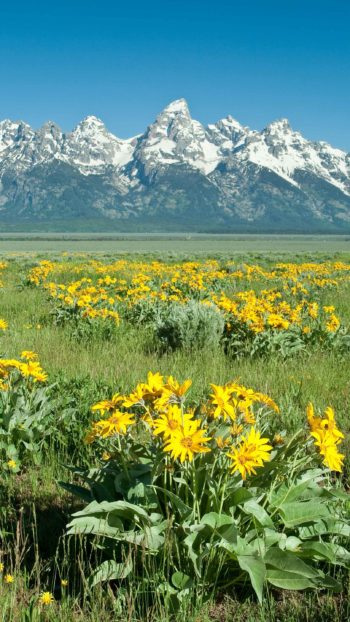
Fall in Jackson Hole is the valley’s best-kept secret. The summer crowds thin out, the cottonwoods along the Snake River turn gold, elk bugle across the valley, and the Tetons get their first dusting of snow. If you’re planning a trip between September and early November, here are six things you shouldn’t miss.


1. Watch the Elk Rut Throughout the Valley
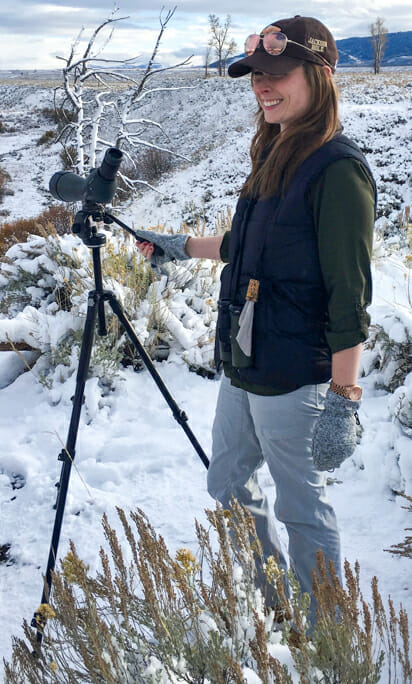
Late September through October is rutting season, when bull elk bugle and spar for dominance over their harems. Bulls gather harems of a dozen or more cows and will fight off rivals with their antlers, sometimes to the point of exhaustion or injury. It’s one of the most dramatic wildlife displays in North America, and the sound alone, that eerie, echoing bugle carrying across the sagebrush flats, is worth the trip on its own. Early morning and dusk are the best windows to catch the action, when temperatures are cooler and the elk are most active. Bring binoculars or a spotting scope, since the refuge covers thousands of acres and the best sparring matches often happen at a distance.

2. Drive (or Tour) the Fall Colors Along the Snake River
The cottonwoods, aspens, and willows lining the Snake River corridor put on a show of gold, amber, and rust each fall, usually peaking in late September to early October, though the exact timing shifts year to year depending on temperature and moisture. A scenic float or a slow drive along the river road with the Tetons as a backdrop is classic Jackson Hole in autumn, and the low-angle light in the morning and evening makes the colors even more vivid. Stops like Schwabacher Landing and the Snake River Overlook are easy to reach and give you unobstructed views of the color against the mountains. If you can, plan your visit around sunrise or sunset, when the light is warmest and the crowds are thinnest.


3. Spot Grizzlies Bulking Up for Winter
Fall is prime bear-watching season. Grizzlies and black bears enter a phase called hyperphagia, spending nearly every waking hour foraging on berries, whitebark pine nuts, and carcasses in an effort to pack on as much weight as possible before they den up for winter. Some bears can consume upward of 20,000 calories a day during this stretch. That means more time on the move, more time out in open meadows and along forest edges, and more sightings for patient, well-guided visitors in Grand Teton and the greater Yellowstone ecosystem. Because bears are so focused on feeding, sightings can happen at unexpected times of day, which is part of what makes fall such a rewarding season for wildlife watching.

4. Hike Without the Summer Crowds
Trails that are packed with day-hikers in July are often blissfully quiet by late September. Cooler temperatures, fewer bugs, and golden aspen light make it an ideal window for hikes like Taggart Lake, Phelps Lake, or the lower stretches of Cascade Canyon. Many trailheads that require early arrival in summer to find parking are wide open in the fall, and the cooler air makes longer routes far more comfortable than they’d be in the July heat. Just keep in mind that fall is also when bears are most active while foraging, so carrying bear spray and making noise on the trail matters even more this time of year.


5. Float the Snake River with Solitude Float Trips Before the Season Ends
Solitude Float Trips runs scenic floats on the Snake River through the end of September, and fall is one of the best times of year to be on the water. The summer rush of boats is gone, the cottonwoods along the banks are turning gold, and the river tends to run calmer and clearer than it does earlier in the season. It’s a relaxed, low-effort way to take in the changing colors and the Tetons from a completely different vantage point than the road, and it often turns up wildlife along the banks that you’d miss driving by, from moose browsing in the willows to bald eagles perched over the water. Because the float season wraps up at the end of September, it’s worth booking early if you want to catch it before the window closes for the year.

6. Go on a Guided Wildlife Safari
Fall wildlife viewing takes local knowledge: knowing where elk are gathering, where bears are feeding, and how to find animals without disturbing them or crowding the roadside pullouts. A guided safari puts you in the field with an expert who can read animal behavior, knows which areas are producing sightings that week, and can get you to the right place at the right time, all while supporting responsible, low-impact wildlife viewing that keeps both you and the animals safe. It also takes the guesswork out of planning your own route, so you can focus on watching instead of driving.
Ready to see Jackson Hole’s fall wildlife for yourself? Book a half-day or full-day guided safari with Jackson Hole Wildlife Safaris and let a local expert show you the season at its best.
FAQs
When is the best time to visit Jackson Hole in the fall?
Late September through mid October tends to be the sweet spot, when the elk rut is in full swing, fall colors are near their peak, and the first snow often dusts the peaks. Conditions shift quickly this time of year, so it’s worth staying flexible with your dates if you can.
When does the elk rut happen in Jackson Hole?
The rut generally runs from late September through October, with bugling and sparring most active in the early morning and at dusk.
Is fall a good time to see bears in Grand Teton and Yellowstone?
Yes. Bears enter a feeding phase called hyperphagia in the fall, spending most of their day foraging to prepare for winter. That increased activity often means more sightings, especially with a guide who knows where bears have been feeding recently.
How late in the season can you float the Snake River?
Solitude Float Trips runs scenic floats through the end of September, so it’s one of the last on-the-water activities available before the season winds down. Booking early in the month helps guarantee a spot before floats wrap up for the year.
Do I need to worry about weather or trail conditions in the fall?
Fall weather in Jackson Hole can change quickly, with warm afternoons giving way to an early snow dusting overnight. It’s a good idea to check conditions before heading out, dress in layers, and carry bear spray on hikes since bears are especially active foraging this time of year.
Wildlife Safari
Keep Exploring