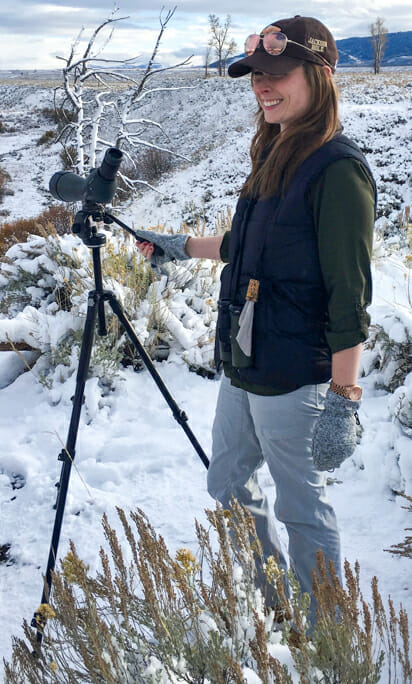
Yellowstone park tours offer one of the most immersive ways to experience the extraordinary landscapes and wildlife of Yellowstone National Park. As the world’s first national park, Yellowstone protects a vast and dynamic ecosystem where geothermal forces shape the land and wildlife continues to roam much as it has for thousands of years. From steaming geyser basins to wide-open valleys filled with bison and elk, the park presents an unparalleled opportunity to witness nature on a grand scale.
For many visitors, navigating Yellowstone independently can feel overwhelming due to its sheer size, changing weather, and unpredictable wildlife movement. Guided Yellowstone park tours simplify the experience by pairing guests with expert naturalists who understand animal behavior, seasonal patterns, and the subtle details that bring the landscape to life. These tours transform a sightseeing trip into an educational and memorable wildlife experience.


Why Yellowstone National Park Is Best Explored with a Guided Tour
Yellowstone spans more than two million acres, with long distances between major attractions and wildlife hotspots. Animals are constantly on the move, responding to weather, food availability, and human activity. A guided tour removes the guesswork by relying on real-time knowledge, recent sightings, and an understanding of how animals use the landscape throughout the day and across seasons.
In addition to logistics, guided Yellowstone park tours provide meaningful interpretation. Professional guides explain why wolves hunt in certain valleys, how geothermal features influence plant growth, and what signs indicate nearby wildlife activity. This context not only enhances sightings but deepens appreciation for the complex ecological relationships that define Yellowstone.

What Makes Yellowstone Park Tours Unique
Yellowstone is unlike any other national park in North America. It is one of the few places where visitors can observe large predators, massive grazing herds, and active geothermal features within the same day. This rare combination creates an ever-changing environment where no two tours are exactly alike.
Yellowstone park tours are unique because they showcase the direct connection between geology and wildlife. Thermal areas create snow-free ground in winter, drawing bison and elk. River corridors support lush vegetation that attracts prey species, which in turn support predators like wolves and bears. Guided tours help guests understand these relationships, turning remarkable scenery into a cohesive ecological story.


Iconic Wildlife You May See on Yellowstone Park Tours
Yellowstone is world-renowned for its wildlife, and guided tours focus on maximizing ethical viewing opportunities while minimizing disturbance. Some animals are frequently seen, while others require patience, timing, and expert knowledge to locate.
Wolves of the Lamar Valley
Lamar Valley is widely considered the best place in the world to observe wild wolves. Guided Yellowstone park tours often prioritize this region due to its open terrain and active wolf packs. Guides use spotting scopes to observe natural behaviors such as hunting, traveling, and social interactions, often from significant distances that ensure safety for both animals and guests.
Plains Wildlife: Bison, Elk, and Pronghorn
Bison are the most commonly encountered large mammals in Yellowstone, roaming valleys, roadsides, and geothermal areas throughout the year. Elk are frequently seen during migration periods, while pronghorn occupy open sagebrush flats. Guides help guests interpret herd behavior, seasonal movements, and the challenges these animals face in a changing environment.
Bears and Apex Predators
Yellowstone is home to both grizzly bears and black bears. Sightings are most common in spring and fall when bears are actively foraging. Guided tours emphasize responsible viewing distances while explaining bear behavior, feeding strategies, and the importance of habitat protection. Coyotes and foxes are also frequently spotted, especially during winter months.
Bald Eagles and Birds of Prey
Rivers, lakes, and open valleys provide excellent habitat for bald eagles, hawks, owls, and other birds of prey. Yellowstone park tours often include time to observe raptors hunting or perched near waterways, offering insight into their role as top avian predators.

Geothermal Highlights Featured on Yellowstone Tours
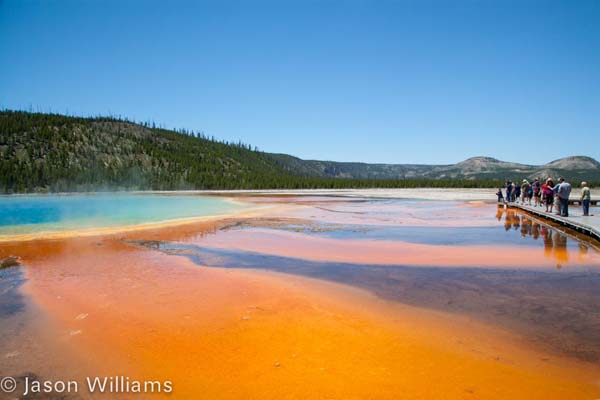
Yellowstone’s geothermal features are among the most iconic natural wonders on Earth. Most Yellowstone park tours include stops at well-known sites such as Old Faithful, vibrant hot springs, bubbling mud pots, and steaming fumaroles. These features are powered by a massive volcanic system beneath the park, creating constant change at the surface.
Beyond their visual appeal, geothermal areas influence wildlife distribution by providing warmth and nutrient-rich environments. Guides explain how these features shape vegetation patterns, water chemistry, and even animal behavior, adding scientific depth to what visitors see.

Yellowstone Park Tours from Jackson Hole
Departing from Jackson Hole offers a convenient and scenic gateway to Yellowstone. The drive north passes through wildlife corridors and historic landscapes, often providing opportunities to spot animals before even entering the park. Guided Yellowstone park tours from Jackson Hole are designed to maximize time in prime viewing areas while minimizing unnecessary driving.
This approach allows guests to relax and focus on the experience rather than navigation. Comfortable vehicles, expert narration, and carefully planned itineraries make day trips from Jackson Hole both efficient and rewarding.

Public vs. Private Yellowstone Park Tours
Public Yellowstone park tours offer a shared experience that appeals to solo travelers and couples who enjoy learning alongside others. These tours follow a thoughtfully designed itinerary that balances wildlife viewing, geothermal features, and educational stops.
Private Yellowstone park tours provide a fully customized experience. Families, photographers, and travelers with specific interests benefit from flexible pacing, extended wildlife viewing, and personalized interpretation. Private tours allow guides to adapt the day based on current wildlife activity and guest priorities.
You can choose to join a public or private single day tour of Yellowstone, and multi-day tours offer 2-day and 3-day private excursions that take you where your interests lead you.

Best Time of Year for Yellowstone Park Tours
Each season in Yellowstone offers distinct advantages. Spring brings newborn animals and fewer crowds, making it ideal for wildlife enthusiasts. Summer provides full access to park roads and geothermal features, while fall highlights elk rut and increased predator activity
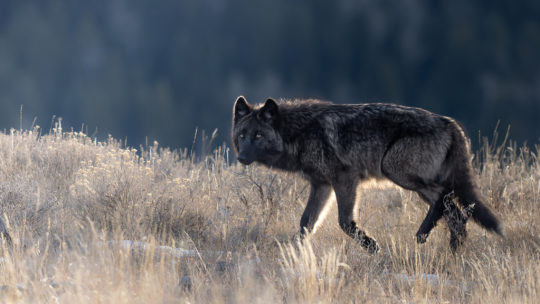
Winter transforms Yellowstone into a quiet, snow-covered wilderness where bison, wolves, and foxes stand out against the landscape. Guided winter Yellowstone park tours offer some of the most dramatic wildlife viewing opportunities in North America.

Responsible Wildlife Viewing in Yellowstone
Ethical wildlife viewing is a cornerstone of any quality Yellowstone park tour. National Park Service regulations require maintaining significant distances from animals to prevent stress and dangerous encounters. Professional guides ensure these standards are followed while still providing exceptional viewing opportunities through high-quality optics.
By modeling responsible behavior and sharing conservation knowledge, guided tours help protect Yellowstone’s wildlife for future generations while offering guests a deeper understanding of their role as visitors in a wild place.
FAQs
What are Yellowstone park tours?
Yellowstone park tours are guided experiences that explore the park’s wildlife, geothermal features, and landscapes with professional naturalist guides who provide education, safety, and expert insight.
Are Yellowstone park tours available from Jackson Hole?
Yes. Many Yellowstone park tours depart from Jackson Hole, offering scenic day trips that maximize wildlife viewing and minimize logistical challenges.
What animals can you see on Yellowstone park tours?
Common sightings include bison, elk, wolves, bears, coyotes, foxes, bald eagles, and other birds of prey, depending on season and location.
When is the best time for Yellowstone park tours?
Spring and fall are ideal for wildlife activity, summer offers full park access, and winter provides exceptional opportunities to see wolves and bison in snowy landscapes.
Are guided Yellowstone park tours worth it?
Guided tours significantly improve wildlife sightings, provide expert interpretation, ensure safety, and support responsible wildlife viewing practices.
Wildlife Safari
Keep Exploring