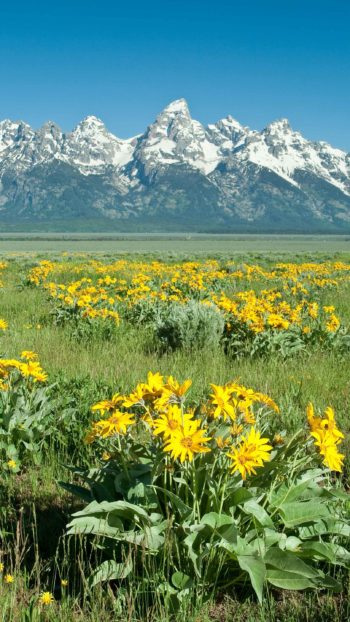
Jackson Hole, Wyoming is one of the most wildlife-rich regions in North America. Located at the southern gateway to Grand Teton National Park and within the Greater Yellowstone Ecosystem, the valley supports moose, elk, bison, bears, wolves, coyotes, and a remarkable diversity of birdlife.
This region remains one of the last intact temperate ecosystems in the world, where large mammals still move freely across expansive landscapes. Seasonal migration, predator-prey relationships, and habitat diversity all contribute to consistent wildlife activity throughout the year.
For visitors seeking authentic wildlife encounters, Jackson Hole offers year-round opportunities shaped by season, elevation, and daily environmental conditions.


What Wildlife Lives in Jackson Hole, Wyoming?
Wildlife in Jackson Hole reflects the diversity of habitats found throughout the valley, from wetlands and river corridors to sagebrush flats and forested foothills.
Moose
Moose are among the Tetons’ most iconic residents and are often at the top of visitors’ wildlife lists. These large herbivores favor willow flats, wetlands, and riparian areas where aquatic vegetation is abundant.
They are most active during early morning and late evening hours, when cooler temperatures encourage feeding. Moose tend to move slowly and deliberately, often browsing quietly along river edges or standing partially submerged in shallow water. Their size and behavior make them both impressive and subtle to observe.
Elk & Bison
Elk and bison are among the most visible large mammals in Jackson Hole and play a significant role in shaping the landscape.
During winter, thousands of elk migrate to the National Elk Refuge, creating one of the largest concentrated elk herds in North America. In fall, the elk rut transforms the valley with bugling calls, territorial displays, and intense competition among bulls.
Bison roam year-round across sagebrush flats and open valleys. Their grazing patterns influence vegetation and habitat conditions, making them a keystone species within the ecosystem. Observing bison provides insight into both their behavior and their role in maintaining ecological balance.
Bears & Predators
Black bears inhabit forested slopes and transitional habitats, particularly during spring and late summer when food sources are abundant. They are often seen foraging along hillsides or moving through dense vegetation.
Grizzly bears, while less common in southern areas, are present within the Greater Yellowstone Ecosystem and may occasionally be observed in northern portions of the region. Their movements are influenced by seasonal food availability and habitat conditions.
Coyotes are frequently seen throughout Jackson Hole. These adaptable predators patrol open flats and meadows, hunting small mammals and taking advantage of changing conditions. Their presence highlights the dynamic predator-prey relationships that define the ecosystem.
Raptors
Jackson Hole supports a wide range of birdlife, with raptors being among the most noticeable.
Bald eagles and golden eagles are often seen along river corridors, perched in trees, or soaring overhead. Owls inhabit forest edges and open terrain, though they are more elusive and typically active during low light conditions.
Raptors contribute to the ecological balance by controlling prey populations and responding quickly to seasonal changes in habitat.

Where to See Wildlife in Jackson Hole
Prime wildlife viewing locations are defined by habitat, water availability, and seasonal movement patterns.
Grand Teton National Park offers a range of environments including wetlands, forests, and open valleys that support a wide variety of species. The park’s road network provides access to key wildlife corridors while maintaining protected habitat.
The National Elk Refuge is especially important during winter months when elk congregate in large numbers. This concentration also attracts predators, increasing overall wildlife activity.
The Snake River corridor provides critical habitat for moose, raptors, and other species that rely on water sources. Sagebrush basins just north of Jackson support bison, elk, and coyotes in open terrain.
Wildlife movement varies daily based on weather, food availability, and human activity. Flexibility and local knowledge are key to successful viewing.


Best Time to See Wildlife
Each season offers distinct wildlife viewing opportunities, shaped by environmental conditions and animal behavior.
Winter concentrates elk and increases the visibility of predators due to snow cover and reduced habitat range. Spring brings bear emergence, active feeding, and newborn wildlife, making it a dynamic time for observation.
Summer offers peak biodiversity, with a wide range of species active across multiple habitats. Fall is marked by the elk rut and increased predator movement as animals prepare for winter.
Understanding these seasonal patterns helps visitors set realistic expectations and enhances the overall wildlife viewing experience.

How to Safely View Wildlife
Safe wildlife viewing is essential for both visitor safety and the well-being of animals.
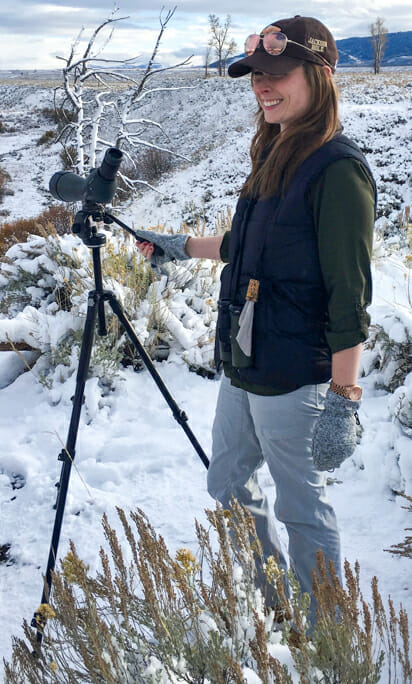
Keeping legal viewing distances prevents stress and disruption to natural behavior. A distance of 100 yards must be maintained from predators like bears and wolves, and 25 yards from all other wildlife. Wildlife should never be approached or followed. Using high-quality binoculars or spotting scopes allows for detailed observation without intrusion.
Remaining inside vehicles when appropriate and following park guidelines helps minimize impact. Quiet observation and patience often lead to more natural and rewarding encounters.
Experienced naturalist guides play an important role in ensuring ethical practices while providing insight into behavior, habitat use, and ecological relationships.


Why Choose a Guided Wildlife Safari
A guided wildlife safari significantly enhances both the likelihood and quality of wildlife encounters.
Professional naturalist guides track recent sightings, understand habitat patterns, and adjust routes based on real-time conditions. This increases the probability of observing wildlife in meaningful ways rather than relying on chance.
Small group sizes allow for a more personalized experience, while premium spotting scopes provide clear views at safe distances. Guides interpret animal behavior, migration patterns, and ecological processes, transforming each sighting into a deeper understanding of the ecosystem.
Choose from a half day safari that tours either in the early morning hours or the evening hours, or opt for a full day tour to cover more ground.
A guided safari is not simply about finding animals. It is about experiencing Jackson Hole wildlife within the context of one of the most complex and intact ecosystems in North America.
FAQs
What wildlife can you see in Jackson Hole Wyoming?
Jackson Hole wildlife includes moose, elk, bison, black bears, wolves, coyotes, bald eagles, and other raptors depending on season and habitat conditions.
When is the best time to see wildlife in Jackson Hole?
Spring and fall often provide active wildlife behavior, while winter concentrates elk and improves wolf visibility. Summer offers broad species diversity.
Are there grizzly bears in Jackson Hole?
Yes. Grizzly bears primarily inhabit the Greater Yellowstone Ecosystem and may occasionally be observed in northern areas near Grand Teton National Park depending on season.
Where is the best place to see moose in Jackson Hole?
Moose are frequently seen in wetland areas like rivers, ponds, streams, and lakes with willow stands within Grand Teton National Park and surrounding river corridors.
Is it safe to view wildlife in Jackson Hole?
Yes, when maintaining legal distances and following park guidelines. Guided wildlife tours provide safe, ethical viewing practices.