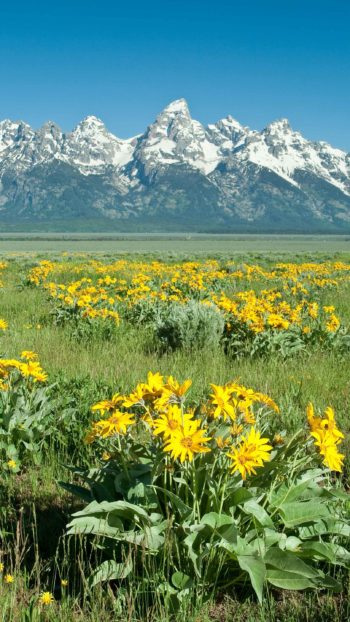
A Grand Teton wildlife tour provides guided access to one of North America’s most intact mountain ecosystems. Within Grand Teton National Park, wildlife moves through sagebrush valleys, glacial rivers, aspen groves, and alpine foothills, creating exceptional opportunities for observation throughout the year.
Departing directly from Jackson Hole, naturalist-led safaris combine expert wildlife tracking, premium optics, and ecological interpretation. Rather than simply driving through scenic overlooks, guests gain meaningful insight into predator-prey dynamics, seasonal migration, habitat preferences, and conservation history within the Greater Yellowstone Ecosystem.
For visitors seeking more than a scenic drive, a professionally guided wildlife tour transforms the Tetons into a living ecosystem experience.


What Wildlife Can You See on a Grand Teton Wildlife Tour?
Wildlife sightings vary by season, elevation, weather conditions, and daily animal movement. Grand Teton National Park consistently offers strong opportunities to observe large mammals, predators, and raptors in natural habitat.

Moose
Moose are among the most sought-after species on a Grand Teton wildlife tour. These large herbivores prefer willow flats, wetlands, and river corridors where aquatic vegetation is abundant. Early morning and late afternoon are often the most productive times for observing moose browsing, resting, or moving through riparian habitat.
Experienced naturalist guides understand habitat patterns and seasonal movement, significantly increasing the likelihood of safe and ethical sightings.


Elk and Bison
Elk herds move through open valleys and forest edges throughout the year. During fall, bull elk engage in rut behavior that includes bugling, posturing, and defending harems. This seasonal activity is one of the most dramatic wildlife spectacles in North America.
Bison roam sagebrush flats and grasslands, forming visible herds that shape the landscape through grazing patterns. Observing bison from proper distances allows guests to appreciate their ecological role and powerful presence.

Bears and Predators
Black bears inhabit forested slopes and transitional habitats within the Tetons, particularly during spring emergence and late summer feeding periods. Coyotes are frequently observed hunting small mammals across open terrain.
Grizzly bears primarily inhabit northern portions of the Greater Yellowstone Ecosystem, though seasonal movement can occasionally bring them into suitable habitat near the park boundary. Professional guides prioritize safety and maintain legal viewing distances at all times.


Raptors and Birdlife
The Snake River corridor and open valleys support bald eagles, golden eagles, hawks, and owls. Raptors often perch near waterways or soar above sagebrush flats while scanning for prey.
Birdlife adds depth to every Grand Teton wildlife tour and provides dynamic viewing opportunities beyond large mammals.

Best Time of Year for a Grand Teton Wildlife Tour
Wildlife activity in Grand Teton National Park shifts with the seasons. Each time of year offers distinct viewing opportunities shaped by migration patterns, food availability, and weather conditions.
Spring
- Bear emergence from winter dens
- Active moose in willow flats and wetlands
- Migratory birds returning to river corridors
- Increased predator movement as snow recedes
Summer
- High overall biodiversity
- Moose, elk, and bison visible in early mornings and evenings
- Young wildlife present in many species
- Full park access with extended daylight hours
Fall
- Elk rut behavior including bugling and herd activity
- Increased bear feeding before winter
- Cooler temperatures that often improve daytime wildlife movement
- Dramatic seasonal color across the landscape
Winter
- Concentrated ungulate populations at lower elevations
- Potential wolf movement in nearby northern ecosystems
- Snow covered scenery that improves wildlife visibility
- Fewer visitors and quieter viewing conditions
Spring and fall are often considered the most dynamic seasons for wildlife behavior, while summer provides the greatest diversity and winter offers striking alpine scenery with concentrated animal activity.


Half Day vs Full Day Grand Teton Wildlife Tours
Choosing between a half day and full day Grand Teton wildlife tour depends on schedule flexibility and wildlife priorities.
A half day wildlife tour focuses on key corridors and prime habitat areas close to Jackson. These tours are ideal for travelers with limited time who want a focused introduction to Teton wildlife.
A full day safari expands geographic range, allowing guides to explore additional valleys, river systems, and higher elevation terrain. Increased range improves wildlife probability and provides more time for behavioral observation and photography.
For guests deeply interested in wildlife ecology, full day tours often provide the most rewarding experience.

Why Choose a Naturalist Led Wildlife Safari
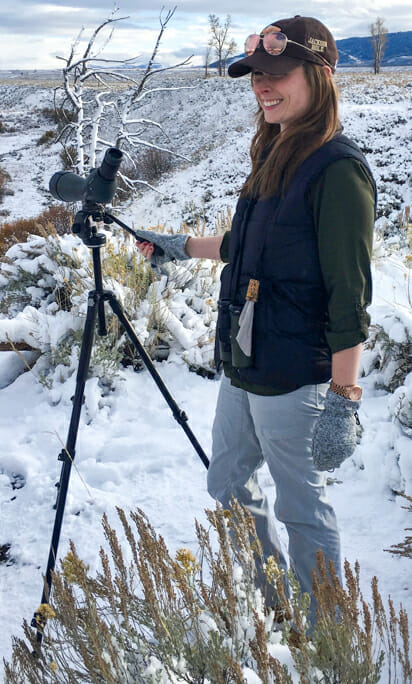
Professional naturalist guides monitor seasonal wildlife movement, recent sightings, weather conditions, and habitat changes. They also communicate with other guides out in the field to share sightings. This real-time awareness allows them to position guests in areas with the highest potential for meaningful encounters.
Premium spotting scopes and binoculars allow safe observation at legal distances while preserving natural animal behavior. Small group sizes ensure a personalized experience and allow guides to interpret ecological relationships, migration patterns, and conservation challenges in detail.
A guided Grand Teton wildlife tour is not simply about finding animals. It is about understanding the ecosystem that sustains them.

How to Prepare for a Grand Teton Wildlife Tour
- Preparation enhances both comfort and viewing success.
- Dress in layers to accommodate changing mountain weather.
- Bring a camera with a zoom lens for wildlife photography.
- Wear neutral colors to minimize visual disturbance.
- Remain patient and attentive during sightings.
- Book in advance during peak summer and fall seasons.
Early departures often increase wildlife viewing opportunities, particularly for moose and predators.
FAQs
What animals can you see on a Grand Teton wildlife tour?
Guests commonly observe moose, elk, bison, black bears, coyotes, bald eagles, and other raptors depending on season and habitat conditions.
When is the best time for a Grand Teton wildlife tour?
Spring and fall often provide the most active wildlife behavior, while summer offers broad species diversity and winter provides dramatic snow covered landscapes.
Are Grand Teton wildlife tours worth it?
Yes! Guided wildlife tours increase sighting success, provide ecological interpretation, and ensure safe and ethical wildlife viewing practices.
How long is a Grand Teton wildlife tour?
Most tours range from four to five hours for half day experiences and eight to nine hours for full day safaris. Private tours may offer flexible timing.
Should I book a private Grand Teton wildlife tour?
Private tours allow customized routing, flexible pacing, and extended photography time, making them ideal for guests with specialized wildlife interests.