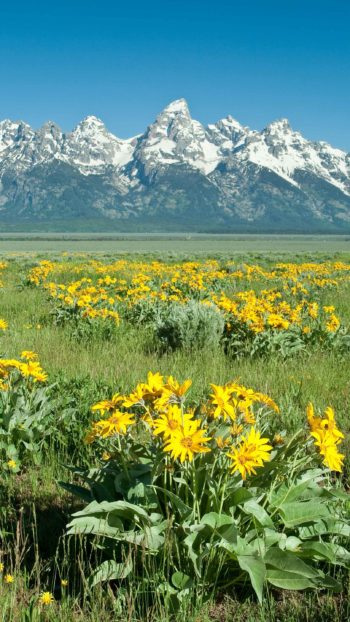
Grand Teton National Park is a sanctuary of dramatic alpine peaks, winding rivers, and abundant wildlife. Situated just outside Jackson Hole, the park is one of the premier wildlife viewing destinations in the United States. Guided Grand Teton wildlife tours offer an unmatched opportunity to explore this remarkable ecosystem with experienced naturalists who know where to look, and when.
In this guide, you’ll discover what animals you may see, when to visit, what to expect on tour, and how to choose the best experience for your adventure.


Why Grand Teton Is a Premier Wildlife Destination
As part of the Greater Yellowstone Ecosystem (one of the largest intact temperate ecosystems in the world) Grand Teton supports a rich and diverse array of wildlife. From wide-open sagebrush flats to dense forest corridors and winding rivers, the park offers essential habitat for both predators and prey. The elevation change and variety of ecosystems make this region ideal for wildlife watching, especially when guided by local experts.
Jackson Hole Wildlife Safaris specializes in educational, conservation-based tours that help you explore this ecosystem responsibly while maximizing your chances of seeing its most iconic inhabitants.

Wildlife You May Encounter on Tour
Big Mammals
Grand Teton is home to a wide range of large mammals. Depending on the season and time of day, you may encounter:
- Moose browsing in willow thickets
- Elk herds moving across meadows
- Bison grazing near the Snake River
- Grizzly Bears foraging in summer and fall
- Black Bears near forested slopes
Predators and Rare Sightings
While more elusive, it’s possible to spot:
- Wolves, especially near dawn or dusk
- Coyotes hunting small mammals
- Mountain Lions (extremely rare, but present)
Birdlife
Grand Teton is also a birding hotspot. Notable species include:
- Bald Eagles nesting along waterways
- Sandhill Cranes calling across meadows
- Great Gray Owls hunting at the forest’s edge
- Osprey, hawks, and a variety of waterfowl
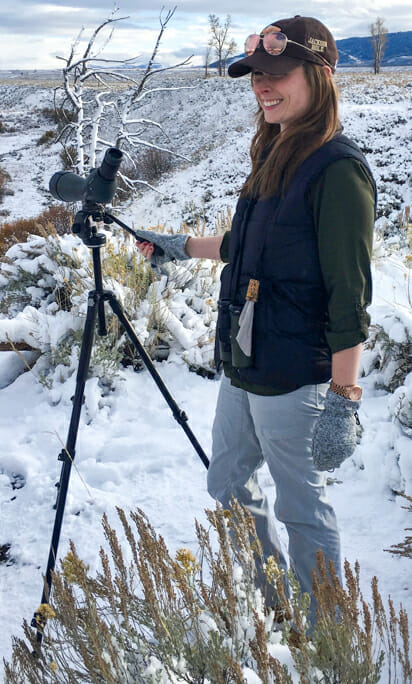
Your guide will provide spotting scopes and binoculars to help you view animals at a safe and respectful distance.


Best Times of Year for Wildlife Viewing in Grand Teton
Wildlife activity in Grand Teton is dynamic and seasonal. Here’s what to expect throughout the year:
Spring (April–June)
- Grizzly and black bears emerge from hibernation
- Elk and moose return to the valley floor
- Baby bison, elk, and moose are often visible
- Birds begin their nesting season
Summer (July–August)
- Consistent wildlife sightings in the early morning
- Longer daylight hours make for extended tours
- Bear activity peaks in berry-rich areas
Fall (September–October)
- The elk rut begins. Watch and hear bulls bugling
- Moose enter their mating season
- Grizzlies forage heavily before winter
- Aspens turn golden, creating a stunning backdrop
Winter (November–March)
- Limited access but unique opportunities
- Moose and bison congregate in the valley
- Excellent for private tracking tours and snow-based photography
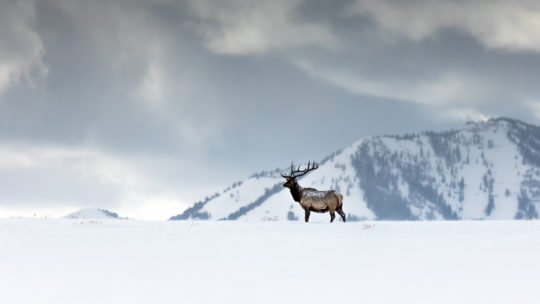
- Elk are on the National Elk Refuge and can be seen by sleigh-ride
Each season offers something special, and your guide tailors the route based on real-time animal movement and recent sightings.

What to Expect on a Grand Teton Wildlife Safari
At Jackson Hole Wildlife Safaris, we design tours that are informative, flexible, and aligned with best practices for ethical wildlife viewing.
What’s Included
- Transportation from Jackson Hole accommodations
- Experienced naturalist guide
- Spotting scopes, binoculars, field guides
- Snacks and beverages (with lunch on full-day tours)
- Interpretation of animal behavior, ecology, and conservation efforts
Tour Experience
Our tours are small-group by design, allowing for a more intimate and personalized experience. Guides are trained in animal behavior, photography, and guest safety. You’ll stop at scenic overlooks, wildlife corridors, and lesser-known spots that only local experts know about.

Planning Tips for a Successful Wildlife Tour
Here’s how to make the most of your experience:
What to Wear
- Dress in layers – mornings are cool even in summer
- Waterproof or wind-resistant outerwear
- Sturdy walking shoes or boots
- Hat and gloves in early spring or fall
What to Bring
- Refillable water bottle
- Camera with telephoto lens (optional but recommended)
- Sunglasses and sunscreen
- Small daypack for personal items
- Any necessary medications
Wildlife Viewing Etiquette
- Always maintain a safe viewing distance
- Stay quiet during wildlife encounters
- Never feed or approach animals
- Follow your guide’s instructions for both safety and respect

Why Book with Jackson Hole Wildlife Safaris?
For over 15 years, Jackson Hole Wildlife Safaris has led immersive wildlife experiences throughout the Greater Yellowstone Ecosystem. Our local guides bring deep knowledge, ethical practices, and storytelling expertise to every tour, whether you choose a half day or a full day safari. Guests consistently rate us as one of the top wildlife tour companies in the region, and our small-group approach ensures personalized, high-quality experiences in the field.
We are committed to conservation, education, and responsible tourism, values that inform every trip we lead.
FAQs
What animals can you see on a Grand Teton wildlife tour?
Common sightings include moose, elk, bison, black and grizzly bears, bald eagles, and more. Sightings vary by season and time of day.
When is the best time to see wildlife in Grand Teton?
Spring and fall are prime seasons due to animal movement, breeding activity, and favorable temperatures.
Are Grand Teton wildlife tours family-friendly?
Yes! Our tours are suitable for all ages and can be adapted to your family’s pace and interests.
How long do the tours last?
Half-day tours typically run 4–5 hours. Full-day tours last 8–10 hours and include lunch and extended exploration.
What should I bring on a wildlife tour in Jackson Hole?
We recommend layered clothing, sunglasses, camera, and any personal essentials you may need.
Wildlife Safari
Keep Exploring